Airlines emit roughly 2 percent of human-caused greenhouse gases, but until the economic recession the aviation industry was among the fastest growing polluters. The carbon emitted by aircraft tens of thousands of feet (meters) high also remain entirely in the atmosphere, while carbon from ground level is partly absorbed by soil or oceans.
Five test flights have been conducted since 2008 by different airlines using up to 50 percent biofuels in one engine, including once on a twin-engine Boeing 737-800 using a mix of jatropha and algae.
More recent flights have used camelina, a mustard-type flax used as a rotation crop in northern Europe and North America for farmers to rejuvenate tired soil.
British Airways is participating in a pilot plant that produces jet fuel from waste that normally would be dumped in a landfill.
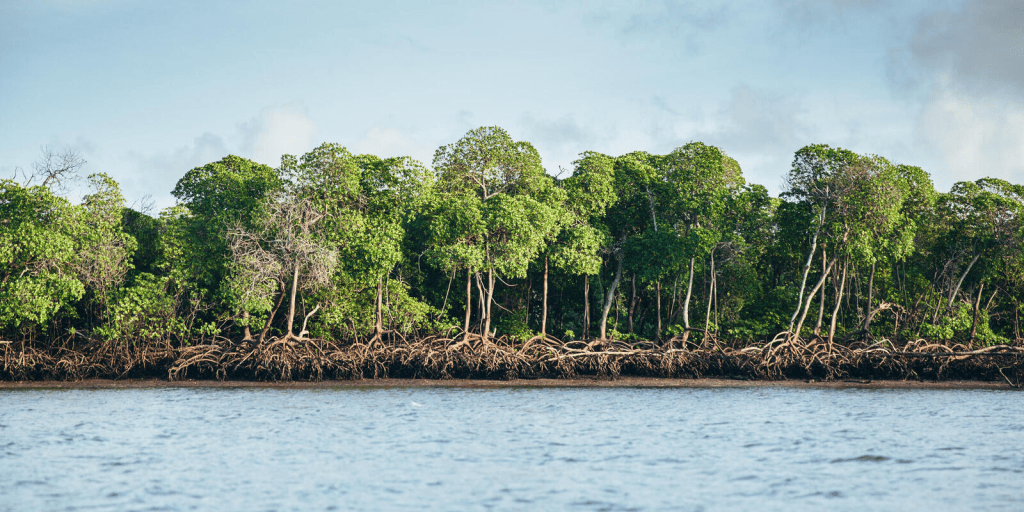
A pilot project also is under way in the Persian Gulf state of Abu Dhabi with halophytes, salt-water plants like mangroves and marsh grass that can be grown in conjunction with fish or prawn farms, said Terrance Scott, an environmental spokesman for Boeing.
See full article from DailyFinance: file:///C:/Documents%20and%20Settings/Dr%20mathew/My%20Documents/NLRRF/Planes%20may%20fly%20mostly%20on%20biofuels%20with%2010%20years%20-%20DailyFinance.htm?icid=sphere_copyright





 Newlinkroad's Blog
Leave a comment