The Battle is on to save city’s mangroves from selfish interests. The ecological buffers provide us a safer, purer environment, while also protecting the sea from pollution released by the city
Linah Baliga & Vijay Singh | TNN
10TH June 2013 Times of India page 5 Mumbai edition
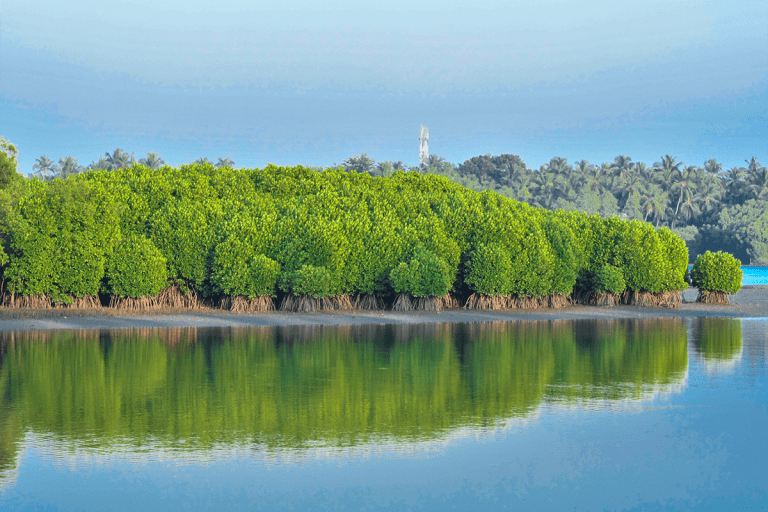
New mangrove shoots are growing in Kanderpada, Dahisar (W), an area where a developer once built a makeshift road to kill the green buffers by cutting off their seawater supply. Locals averted the ecological disaster by saving the mangroves.

Tender mangrove shoots growing over debris dumped in Survey 344 at Dahisar West
https://newlinkroad.wordpress.com/2013/05/17/hope-springs-in-mangrove-forests-of-dahisar/
But of the 425 acres of mangroves targeted by the developer, 50 were destroyed. “Had the entire 425 acres gone, temperatures would have risen in our area. There is a difference of two degrees in temperature between Dahisar (West) and Dahisar (East), thanks to mangroves,” said Harishchandra Pandey, chairperson, New Link Road Residents Forum (NLRRF). “Mangroves protect us from the sea, from high tides. They give fresh air and oxygen.”
The Supreme Court in January 2011 ordered the developer [Jayesh Shah of Ravi Group] to clean up the debris dumped at the site, reopen the seawater channels and pay Rs 1.24 crore as a fine.
It was a notable victory in the battle being waged by Mumbaikars to save the coast from being ravaged by selfish commercial interests. But while small battles are won, the war continues. The state handed over just 5,800 hectares (58 sq km) of mangroves in Mumbai, Navi Mumbai and Thane to the forest department last year. In contrast, an estimate by architect P K Das says that Mumbai alone has 61.7 sq km of mangroves, though this includes those on private land too.
Areas in the Mumbai region where mangroves are under threat include Sewri, Lokhandwala, Vashi, Kharghar, Airoli and Nerul.
On May23, members of the Oshiwara Lokhandwala Citizens’ Association witnessed a new modus operandi, where 50 acres of mangroves were destroyed by allegedly planting “invasive species”. The Lokhandwala-Millat Nagar belt had 1,000 acres of mangroves at one time. This has been reduced to 400 acres, said Rishi Aggarwal of Mangrove Society of India.
On November 26, 2008, Belapur resident Aditi Lahiri was shocked to see people quietly burn mangroves adjacent to TS Chanakya, along Palm Beach Road. Recently, she dispatched a fresh complaint to the authorities. Volunteers of the Aam Aadmi Party and residents of NRI Seawoods Complex are a part of the protest. “The stretch of mangroves from Nerul to Seawoods is slowly being destroyed by people who want to illegally grab land by dumping debris,” said Sandeep Bangia, of the Seawoods Complex.
Citizens, though, are waging a battle one step at a time. Some 100 metres from Kanderpada, the Ganpat Patil Nagar slum grew in a protected Coastal Regulatory Zone-1. The 8,000 shanties along Link Road were encroaching on vast tracts of mangroves. On June 4, around 2,200 shanties were demolished by the BMC. In 2010, Pandey got two high court orders that said “nonforest activity” harmful to the environment should not be conducted.
Around 100 acres that stretches from Anand Nagar, Dahisar (E), was saved by NLRRF. The Save Andheri Versova Environment Forum filed a PIL in 2002 and in May 2010 got mangroves in Versova declared a protected forest.
D Stalin, of NGO Vanashakti, said, “The criminals are changing the ecology of the wetlands into a terrestrial one. We stand to lose mangroves and other resources.” Mangroves don’t just protect cities from the sea; they also reduce the pollution that man releases into the sea by filtering industrial and sewage discharges.
SOME PROBLEM AREAS
Ganpat Patil Nagar, Dahisar (W)
Proliferation of slums; 5 to 7 acres of mangroves saved after BMC-supervised demolitions
Kanderpada, Dahisar (W)
50-odd acres destroyed as developer built makeshift road to choke off water flow
Lokhandwala, Oshiwara
Around 50 acres destroyed by allegedly planting ‘invasive species’ and creating a debris path
Vashi, Thane creek
Debris dumping
Kharghar
Debris dumping
Airoli, Thane creek
Debris dumping
Between Nerul and Seawoods, Palm Beach Road
Mangroves hacked, burnt, encroached
Behind TS Chanakya, Nerul
Illegal structures built in mangroves
UNPROTECTED GREEN
State gave just 58 sq km of mangrove lands in Mumbai, Navi Mumbai and Thane to forest department last year. By contrast, one estimate says Mumbai on its own has 61.7 sq km of mangroves, though this includes those on private land too
Of the 32,000 hectares of mangroves in the state, the government has to still notify about 26,000 hectares that dot Raigad, Ratnagiri and Sindhudurg. The mangroves that the government hasn’t notified are stuck in litigation
WHAT DO MANGROVES DO
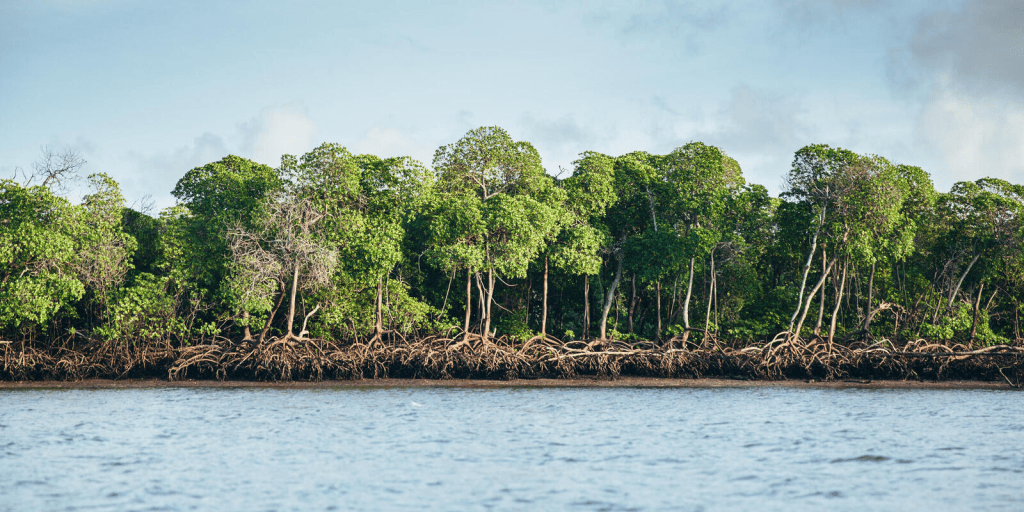
Prevent coast from getting eroded by sea waves.
First defence against floods for cities, towns and villages Filter effluents and sewage that cities discharge into ocean, reducing sea’s pollution by man Provide nutrition for marine life Provide habitat for wildlife



 Newlinkroad's Blog
Leave a comment