Slum dwellers, open defecation, untreated sewage, all cause Faecal coliform to jump by up to 103% on city’s west coast
Nariman Pt To Versova, Sea Water Is Like Sewage: Data
Clara Lewis Times News Network 4th October 2013
Analysis of data about the deteriorating sea water shows faecal coliform has jumped 45% in just one year in Juhu, which draws the maximum tourists. It has soared 103% in Versova.

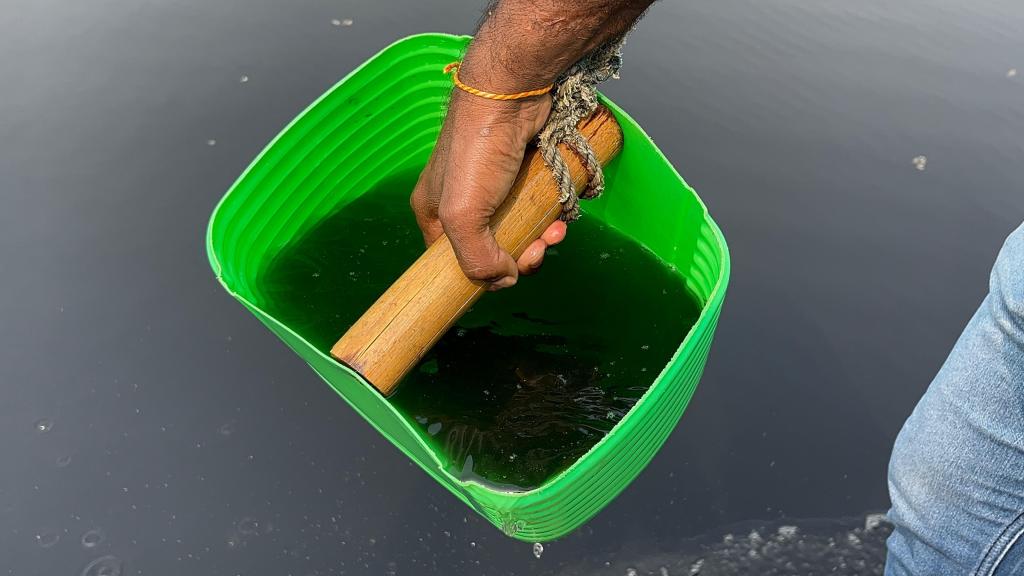
Figure 1 Unsuspecting people playing in sewage water
Sandra Creado, whose Juhu bungalow is on the beach, said they can smell the sewage. “Thirty years ago, we would swim in the waters. Now one gets oil slick on the sand. People who get into the water complain of itching and skin rashes,” she said.
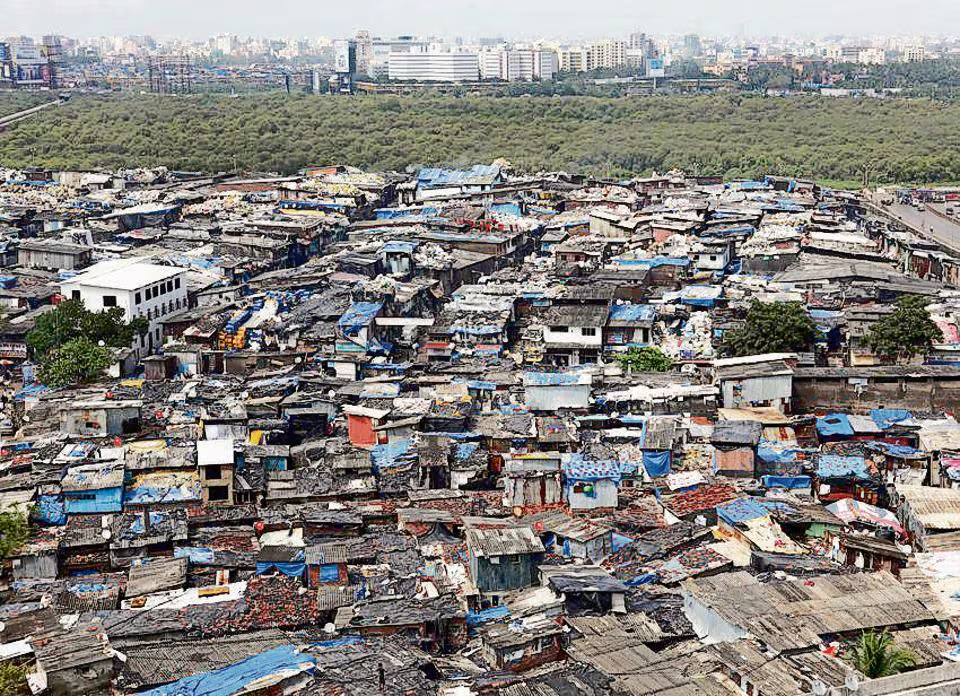
“A number of storm water drains originate in the slums. Often waste is directly thrown into these drains and discharged into the sea without treatment. A lot of sewage is not collected in our sewage network,” said civic sources, explaining that a main reason for the deterioration is the discharge of untreated sewage into the sea.
Rakesh Kumar, director, National Environment Engineering Research Institute (Neeri), said the readings also depend on the tide and the time recorded. “Sewage disposal is high in early mornings and late evenings. At Worli and Mahim, open defecation is a major problem and there are sewage outlets too. What is strange is that the recordings are high at Gateway of India and Girgaum Chowpatty, where there has been no change in land use for the past two years,” he said.
At Girgaum Chowpatty, another tourist spot, the coliform has risen from 1000 per 100ml in 2011-12 to 1455 in 2012-13, a jump of 46%. It shows it has come down slightly only at Malabar Hill (see box).
Civic officials claimed land issues and environmental clearances have held up a plan to upgrade the sewage network.
The BMC’s land for a sewage treatment plant at Worli is encumbered and the matter is in court. At Bandra, it had given 3.92 hectares to MSRDC for a casting yard for the Bandra-Worli Sea-Link. “Now the state refuses to return the land”, said sources. At Versova and Malad, land clearance is pending with the forest department.
For the Colaba sewage treatment plant, tenders have been invited. “Work will start in January,” said sources. Work on the Ghatkopar and Bhandup plants should begin in six months.
TIMES VIEW: One of Mumbai’s biggest attractions — for the dyed-in-the-wool Mumbaikar as well as the tourist — is the sea. Many other countries, including some Asian nations, have capitalized on this natural resource to showcase their cities as aquatic-sport-andadventure destinations. It’s unfortunate government agencies here take the sea for granted. Mumbai needs to protect and take care of its natural assets much better.




 Newlinkroad's Blog
Leave a comment