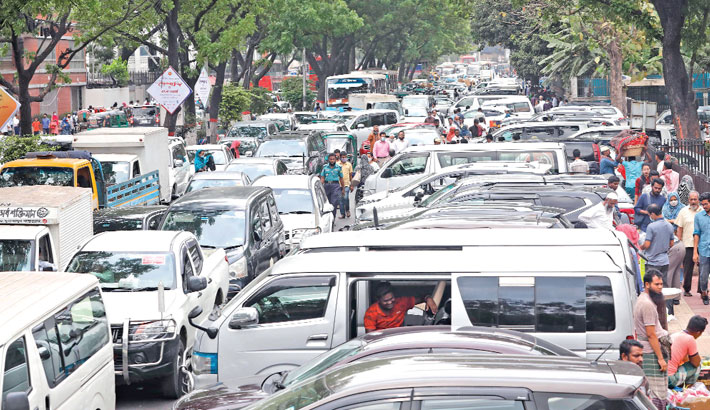
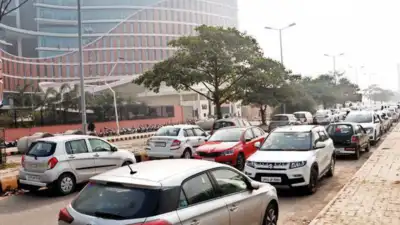
I am writing this as a resident of Mumbai who frequently faces the frustration of haphazard roadside parking,
The recent tragedy of a 75 year old lady crushed to death between a BEST bus and an illegaly parked car at Malabar Hill [Aug 2025] highlights the severity of this issue. People are being forced to walk on roads where the shoulder is occupied by illegally parked vehicles, and this is literally a matter of life and death!
I am grateful for organisations like The Walking Project, that are working in this area, and wish that all of us would contribute to solutions rather than becoming part of the problem.
I’ve often wished for the more organized systems I’ve observed during my travels to London, Dubai, and Lisbon.
Here are some solutions inspired by those cities that could be beneficial for Mumbai:
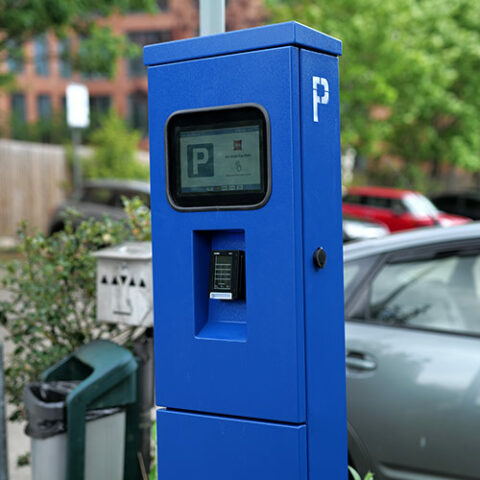
Leveraging Technology for Smarter Parking Management:
Digital Parking Permits and Enforcement:
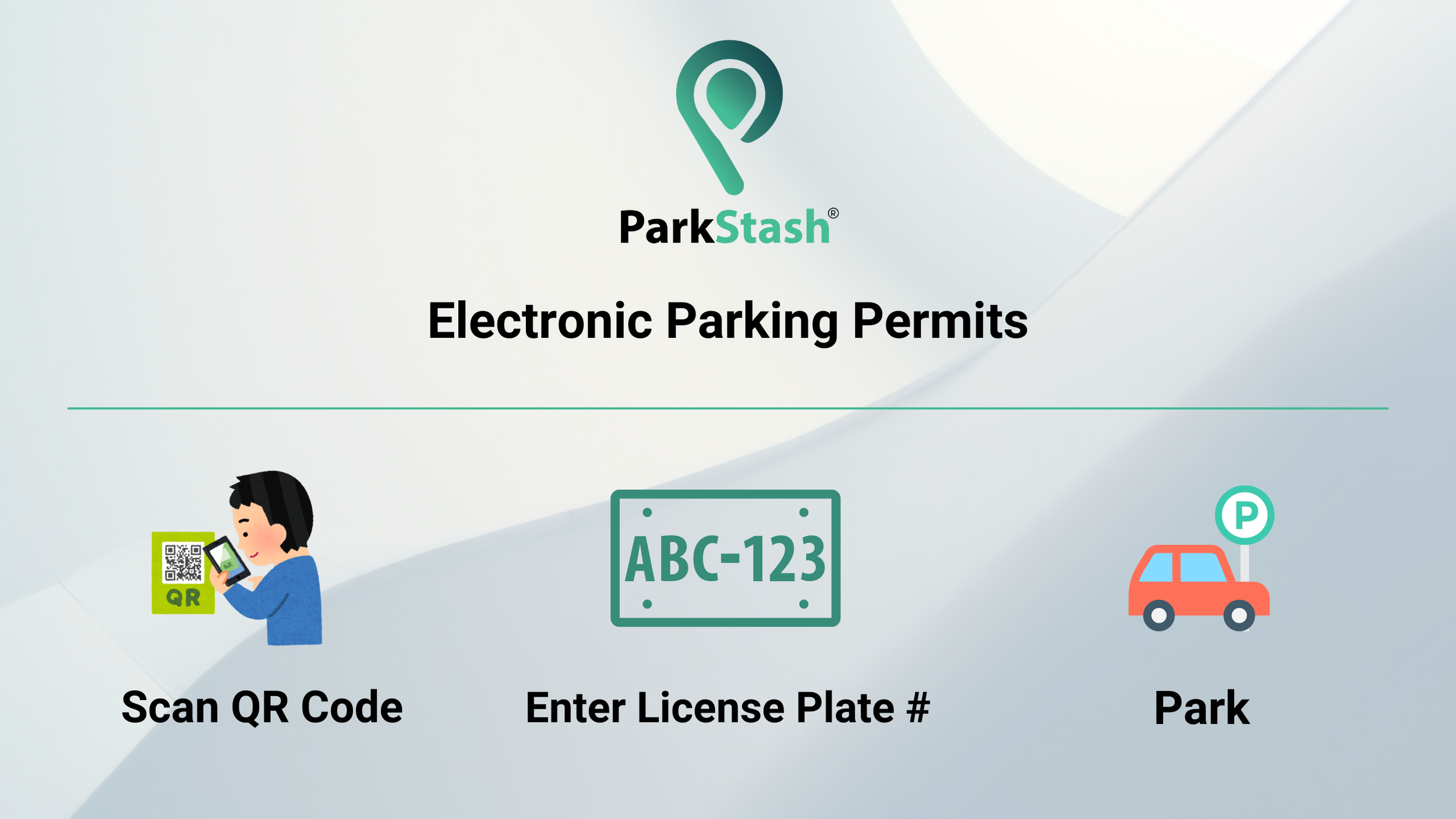
- Concept: Implement a system where residents can apply for and manage parking permits digitally through a mobile app or online portal. This would allow the local municipal body (e.g., Brihanmumbai Municipal Corporation – BMC) to designate specific residential parking zones. Enforcement could be done using license plate recognition technology (CCTV cameras, mobile enforcement vehicles) linked to the digital permit database. Fines are 10 times the actual parking rate, ensuring compliance.
- London Inspiration: Many boroughs in London utilize digital parking permits, making it easier for residents to park in designated areas and for authorities to monitor compliance.
- Mumbai Application: This could streamline the current often cumbersome process of obtaining physical parking stickers and improve enforcement efficiency. For instance, if a car without a valid digital permit is parked in a residential zone during restricted hours, an e-challan could be automatically generated. Use of the FastTag recognition will ensure that payments are collected seamlessly.
Smart Parking Systems with Real-time Availability:
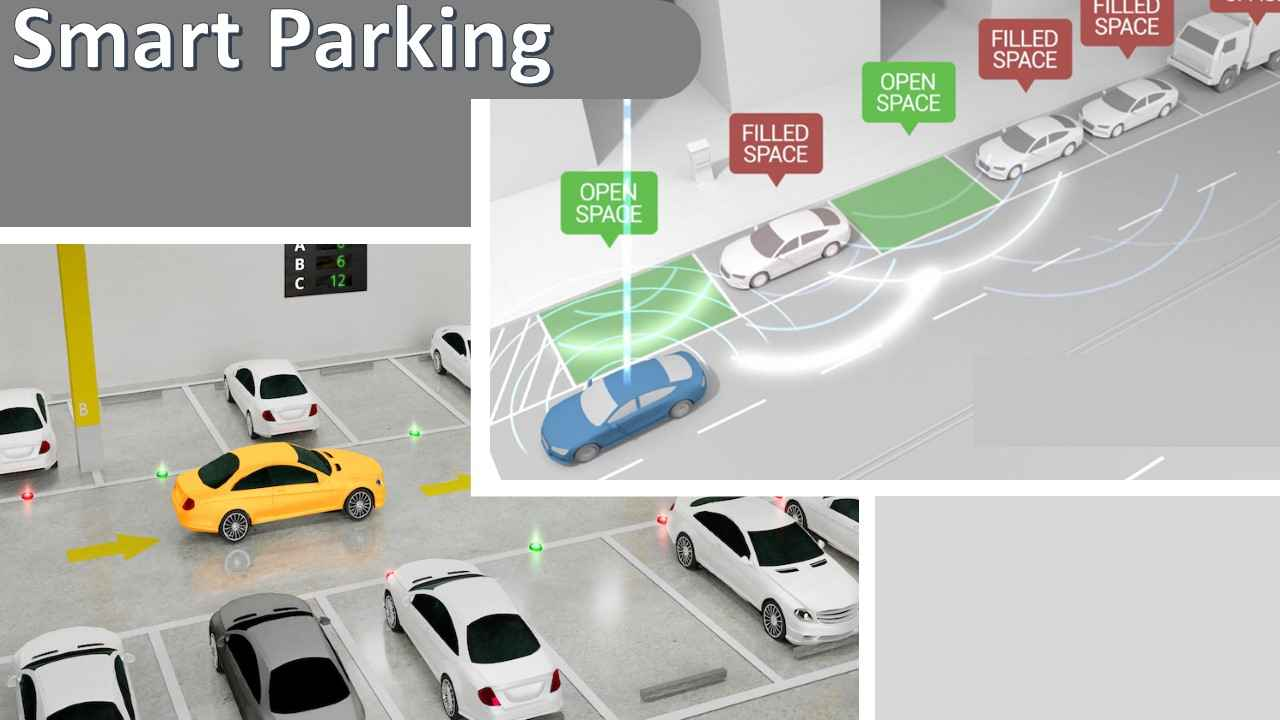
- Concept: Install sensors in parking spaces (both on-street and in designated lots) that can detect vehicle presence. This data can be fed into a mobile app, allowing residents and visitors to see real-time parking availability in their vicinity.
- Dubai Inspiration: Dubai has invested in smart parking solutions that guide drivers to available spots, reducing traffic congestion caused by people circling to find parking.
- Mumbai Application: This could significantly reduce the time spent searching for parking, especially in densely populated areas. The app could also integrate payment options for paid parking zones.
Dynamic Pricing for On-Street Parking:
- Concept: Implement a dynamic pricing model for on-street parking based on demand, location, and time of day. Higher demand areas or peak hours would have higher parking fees.
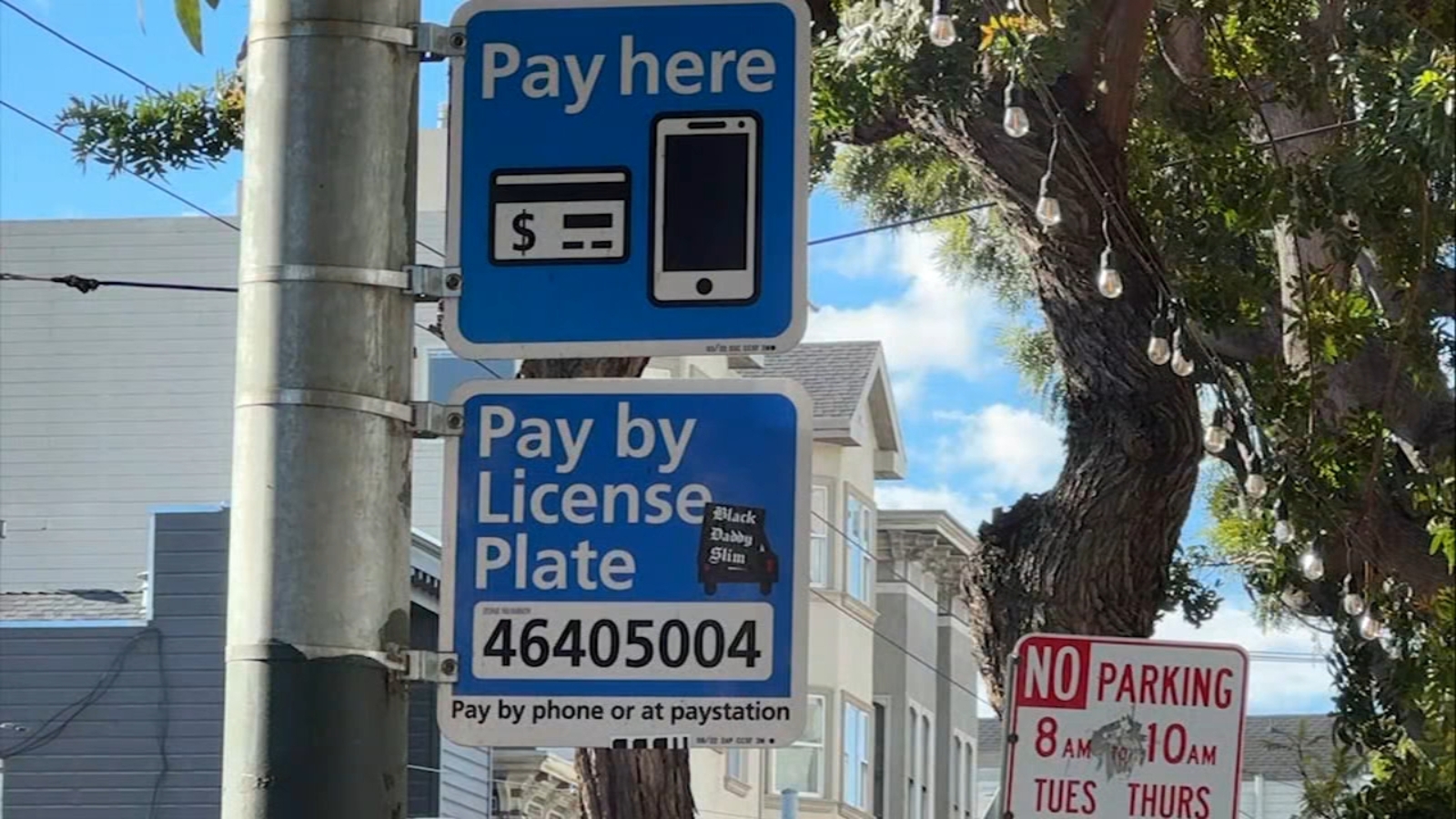
- London Inspiration: Central London employs congestion charges and variable parking fees to manage traffic flow and parking demand.
- Mumbai Application: This could incentivize shorter parking durations in high-demand areas and encourage the use of public transport or parking garages. Revenue generated could be reinvested in improving parking infrastructure.
Implementing Structured Parking Regulations and Infrastructure:
- Designated Residential Parking Zones:
- Concept: Clearly demarcate residential areas with specific parking regulations. This could include designated on-street parking spots for permit holders and time restrictions for non-residents.
- London & Lisbon Inspiration: Both cities have clearly marked residential parking zones, often with different rules for residents and visitors, helping to prioritize parking for those who live in the area.
- Mumbai Application: This would require a survey of residential areas to identify suitable parking spaces and clear signage to inform drivers about the regulations.
Stricter Enforcement and Higher Penalties:
- Concept: Increase the frequency and effectiveness of parking enforcement, coupled with significantly higher fines for illegal parking.
- General Observation: In many well-organized cities, strict enforcement acts as a strong deterrent against illegal parking. The more consistently and rigorously parking rules are enforced, the less likely people are to engage in illegal parking behaviors. This can be achieved through measures like increased monitoring of parking areas, stricter penalties for violations, and effective communication of the consequences of illegal parking.
- Mumbai Application: This requires more traffic police personnel dedicated to parking enforcement and a streamlined system for issuing and collecting fines. Public awareness campaigns about parking rules and penalties are also crucial.
Promoting Sustainable Alternatives:
- Improved Public Transportation:
- Concept: Invest in and improve the efficiency, frequency, and connectivity of public transportation options like buses, local trains, and the metro.
- London, Dubai & Lisbon Inspiration: All three cities have well-developed public transport networks that reduce the reliance on private vehicles for daily commuting.
Mumbai Application: Continued investment in expanding and modernizing Mumbai’s public transport is essential to reduce the number of cars on the road.
Encouraging Cycling and Walking Infrastructure:
- Concept: Create dedicated cycling lanes and pedestrian-friendly pathways to encourage people to choose non-motorized forms of transport for shorter distances.
- Lisbon Inspiration: Lisbon has made efforts to improve walkability and cycling infrastructure in certain areas.
- Mumbai Application: While challenging due to space constraints, identifying and developing such infrastructure in suitable areas can contribute to reducing parking demand.
Community Involvement and Awareness:
- Resident Associations and Parking Management:
- Concept: Empower resident associations to play a more active role in managing parking within their localities, in coordination with the BMC.
- General Observation: Local communities often have a better understanding of parking needs and challenges in their area.
- Mumbai Application: This could involve resident associations assisting in the implementation and monitoring of parking rules within their zones.
Public Awareness Campaigns:
- Concept: Conduct regular campaigns to educate citizens about responsible parking practices, the importance of adhering to parking rules, and the availability of alternative transportation options.
- General Observation: Raising awareness can lead to a greater sense of civic responsibility regarding parking.
- Mumbai Application: Utilize various media channels to disseminate information about parking regulations, the benefits of using public transport, and the consequences of illegal parking.
Implementing these solutions, inspired by the successes observed in London, Dubai, and Lisbon, could significantly improve the parking situation in Mumbai, leading to smoother traffic flow, safer roads, and a more organized urban environment. It would require a coordinated effort from the BMC, traffic police, resident associations, and the citizens themselves.






 Newlinkroad's Blog
Leave a comment