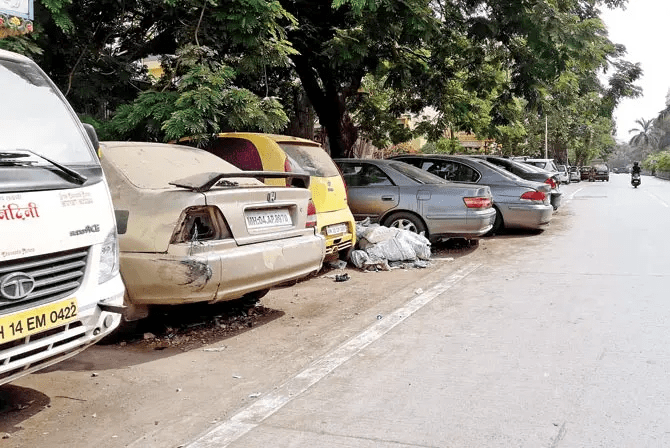
124sq ft – the space occupied by an abandoned vehicle on Mumbai’s streets, and there are thousands parked all over. Do the math and that’s how much space could be unlocked by the latest initiative to clear away junk vehicles.
Launched last month, the drive is now being ramped up. A review meeting was held at the civic headquarters on Wednesday, to assess the progress of the operation. The BMC has also floated tenders to appoint a private agency to execute the drive.
The civic administration believes this system will be more efficient than the previous one, where multiple authorities, including the traffic police, Regional Transport Offices (RTOs) and the civic ward offices were responsible for clearing away abandoned vehicles. Staff shortages and lack of proper coordination between the various authorities rendered the process slow and inefficient.
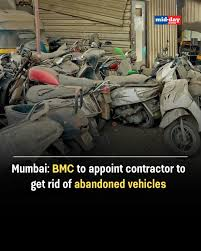
Outsourcing the task, the civic administration believes, will cut through red tape, speed up the process and introduce accountability. The agency will work alongside the BMC’s administrative departments and at the ward level to clear junk vehicles quickly and efficiently.
Bhushan Gagrani, municipal commissioner, said, “There can be no compromise or delay when it comes to the ease of mobility for the people of Mumbai. Abandoned, defective and junk vehicles parked on the sides of roads create significant obstacles to the smooth flow of traffic and public convenience.”
Gagrani said strict action will be taken to ensure “Abandoned Vehicle-Free” and “Obstacle-Free” roads.
The primary goal is not punitive action but clearing road clutter, thus facilitating smoother transportation across the city. By working together with the police administration, the BMC aims to conduct coordinated operations to clear unauthorised scrap material.

The issue that could arise is what to do with the cars and trucks that are removed.
I suggest that as per the guidelines of the MV Act, recovery from the owners is mandatory of all expenses incurred. End of life cycle management of used vehicles is a vital aspect of Environmental stewardship, one that is much needed in India.
End-of-life vehicle (ELV) management is indeed a critical aspect of environmental stewardship, and India is actively developing regulations to address this need. The increasing number of vehicles reaching the end of their operational life necessitates a sustainable and environmentally responsible approach to their disposal and recycling. India’s efforts, including the Environment Protection (End-of-Life Vehicles) Rules, 2025, aim to streamline this process and minimize the environmental impact of ELVs.






 Newlinkroad's Blog
Leave a comment