We residents have been monitoring air quality for many years. This winter, the air quality was relatively better due to the rains. However there is a new pollutant in town!
Ground-level ozone (O 3 ) — formed through chemical reactions between nitrogen oxides and volatile organic compounds (VOCs) emitted by vehicles, industries, and power plants — has emerged as the dominant pollutant in the city’s air this winter, according to Central Pollution Control Board (CPCB) data.

The data shows that since last month, ozone has been the city’s top pollutant on most days, mirroring last year’s winter trend when O 3 levels dominated the Air Quality Index (AQI) charts for several weeks. The corresponding period of last year showed the similar trend with more days witnessing air pollution dominated by O 3 . “Often mistaken for a protective gas, ozone near the ground is a major component of urban smog. It forms when nitrogen oxides (NO x ) from vehicle exhaust and industrial units react with VOCs from fuel vapours and solvents under sunlight and heat — conditions that Mumbai experiences frequently,” said a state environment department official.
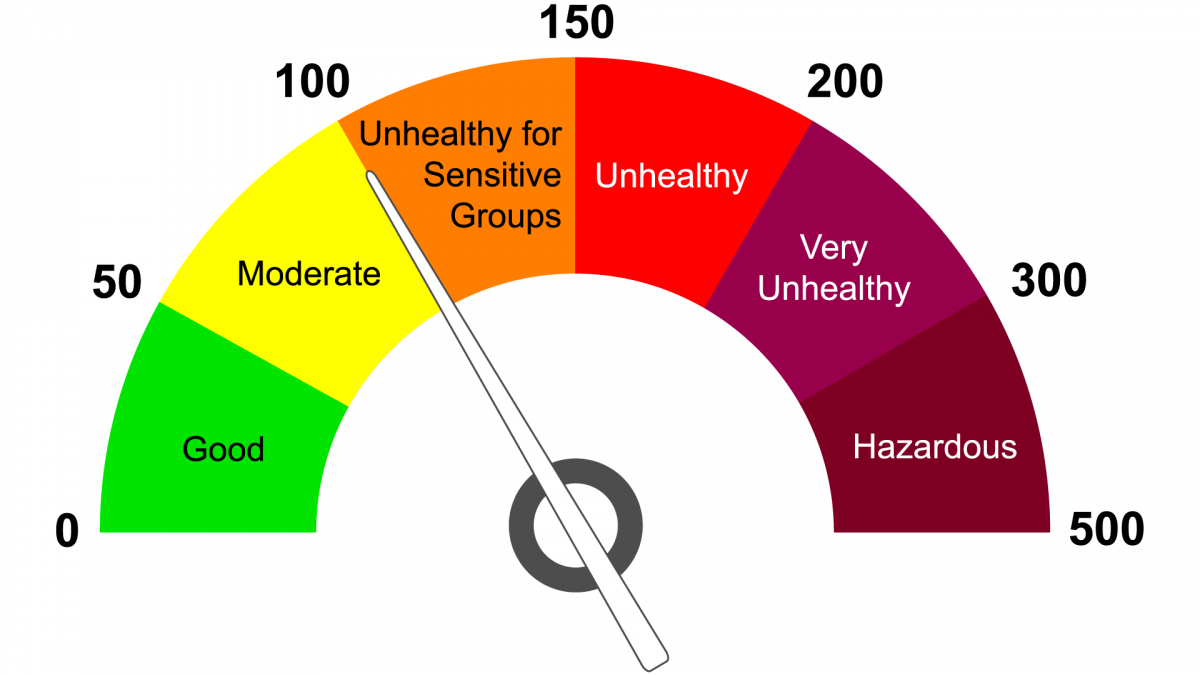
Thursday saw the city’s average AQI worsening to 142 from 130 recorded the previous day with maximum contribution of NO 2 i.e vehicular and industrial pollution.
Environmental experts working closely with the govt said the city’s dense traffic, refinery belts in Chembur and Trombay, and coastal humidity make it prone to ozone spikes, particularly during sunny winter and post-winter afternoons. CPCB and Maharashtra Pollution Control Board monitoring stations have recorded frequent breaches of the World Health Organization’s eight-hour average safe limit of 100 µg/m 3 for ozone.

Doctors said even short-term exposure can cause throat irritation, coughing, and breathlessness, while long-term exposure may impair lung function and worsen chronic respiratory diseases. Children, senior citizens, and outdoor workers remain the most vulnerable. Health experts advise avoiding strenuous outdoor activity during midday hours (noon to 4pm), when ozone levels typically peak.
Dr Remy A Cottadiyil, consultant pulmonologist and chest physician, Ashok One Hospital, said “As winter deepens, Mumbai’s air is now dominated by toxic ground-level ozone, pushing respiratory distress to alarming levels.
Even short exposures can trigger throat irritation, coughing, and breathlessness, while long-term inhalation accelerates chronic lung disease.
Children, elders, and outdoor workers remain the most vulnerable as ozone peaks during midday hours.
She added: As a pulmonologist, I urge residents to monitor AQI, limit outdoor activity during high-ozone periods, and prioritize clean air measures for lung health.
she added.





 Newlinkroad's Blog
Leave a comment