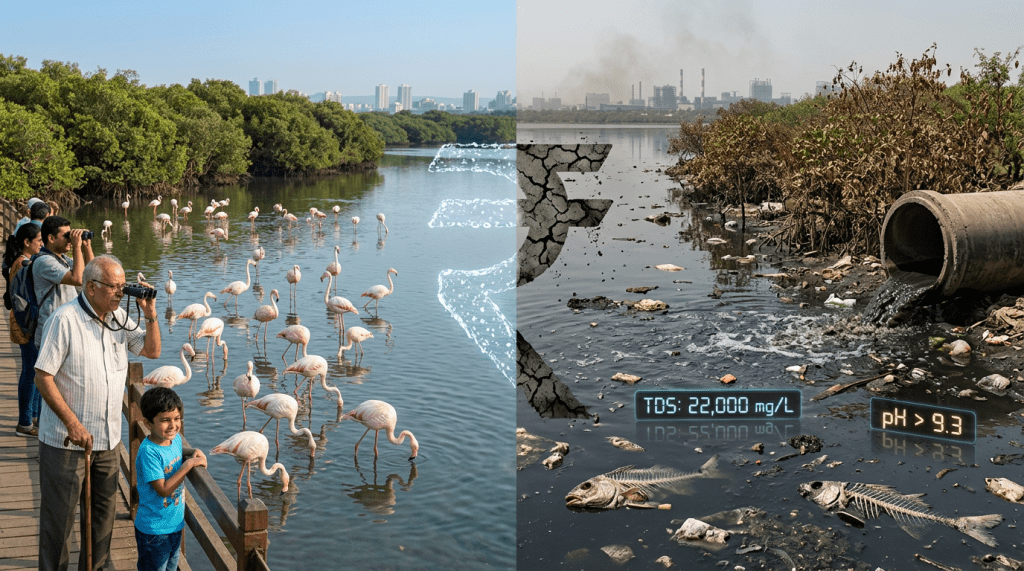
India’s ongoing pollution of the Panvel sub-creek, through industrial effluents from chemical, textile, and pharmaceutical sectors, untreated sewage, and construction debris, severely threatens local fisherfolk livelihoods and marine ecosystems.
Panvel ( Belapur) creek once upon a time considered to a rich intertidal fishing zone has been turned into toxic chemical sludge disposal site.
This environmental negligence directly undermines key commitments in the proposed EU-India Free Trade Agreement (FTA), particularly those related to sustainability and natural resource protection, potentially stalling negotiations and forcing EU leaders to impose stricter trade safeguards.
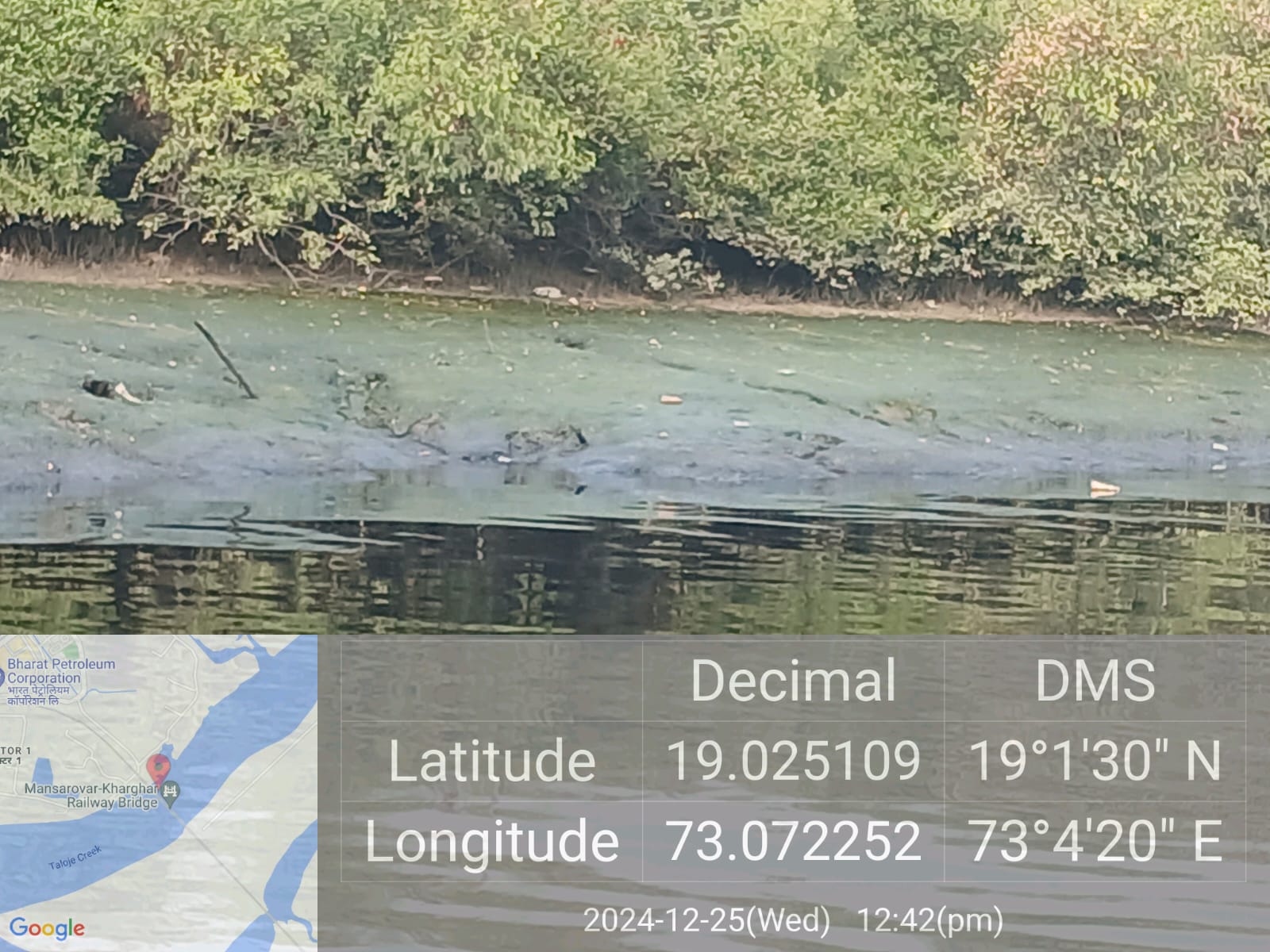
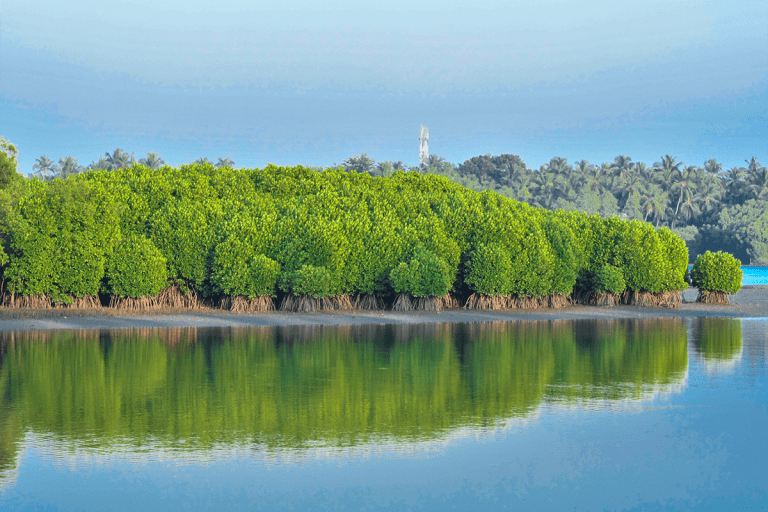
The EU-India FTA includes binding commitments to implement Multilateral Environmental Agreements (MEAs) like the Convention on Biological Diversity and the Paris Agreement, alongside dedicated provisions for protecting marine natural resources, forests, and water bodies. India’s discharge of toxic chemical sludge into the Panvel sub-creek, degrading mangroves, estuarine breeding grounds, and intertidal zones, flagrantly breaches these by failing to prevent or remediate environmental damage to water and soil.[1][2]
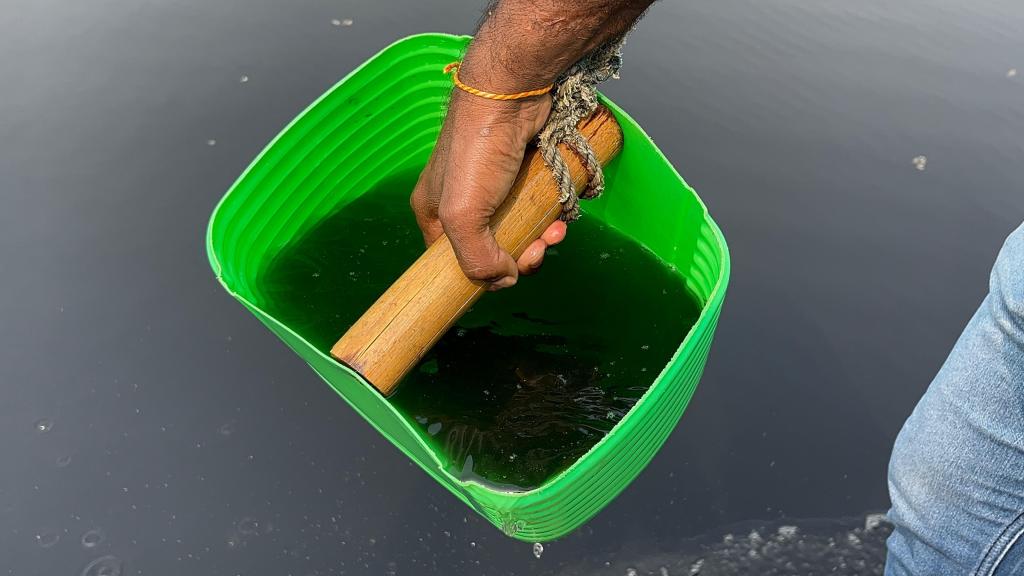
Water from the creek
Degradation of fish populations and ecosystems also contravenes FTA pledges for sustainable management of natural resources and cooperation on circular economy practices to minimize pollution.
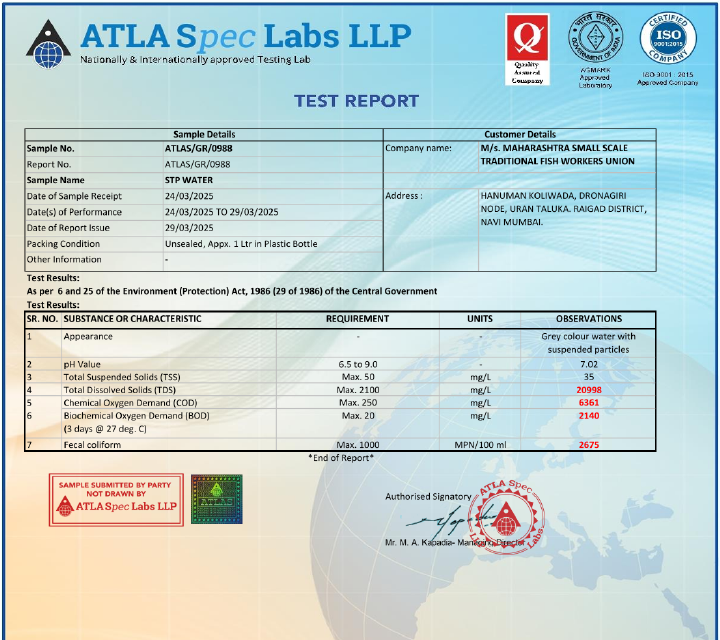
EU negotiators have emphasized enforceable environmental norms, including emissions reductions and resource conservation, which India’s inaction—despite repeated local complaints—directly violates.[3][1]
EU leaders may leverage these breaches to demand stronger Trade and Sustainable Development (TSD) chapter enforcement, including suspension clauses for Paris Agreement non-compliance, delaying tariff liberalizations on sensitive goods. This could heighten scrutiny via EU tools like the Carbon Border Adjustment Mechanism (CBAM) and deforestation regulations, raising costs for Indian exports and pressuring Brussels to prioritize “green conditionalities” over rapid deal closure.[4][2][5][3]
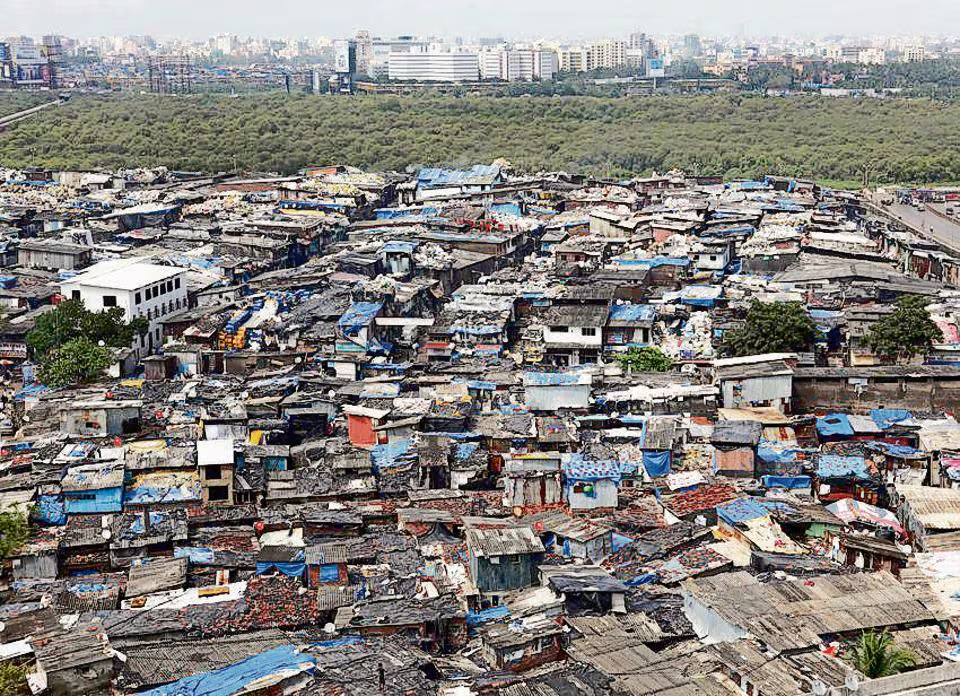
For citizens in Mumbai, this pollution exacerbates community lung and metabolic health risks from contaminated seafood and water, aligning with urban health advocacy needs amid trade talks. EU policy might shift toward capacity-building aid for Indian cleanup, but only with verifiable compliance to avoid perceptions of uneven standards favoring developed nations.[6][4]
References:
- https://policy.trade.ec.europa.eu/eu-trade-relationships-country-and-region/countries-and-regions/india/eu-india-agreements/memo-eu-india-free-trade-agreement-chapter-chapter-summary_en
- https://ieep.eu/wp-content/uploads/2024/03/EU-India-pre-briefing-IEEP-2024.pdf
- https://typo-collab.hindustantimes.com/companies/news/eus-aggressive-environmental-regulations-biggest-hurdles-of-fta-talks-with-india-gtri-11741512026855.html
- https://www.reddit.com/r/neoliberal/comments/1qo9jsx/indiaeu_fta_why_eus_evergrowing_regulations_are/
- https://borderlex.net/2026/01/30/the-eu-india-fta-a-new-model-linking-trade-climate-and-industrial-policy/
- https://india.mongabay.com/2026/02/india-e-u-fta-makes-big-promises-but-leaves-key-questions-unresolved/
- https://www.linkedin.com/pulse/indiaeu-free-trade-agreement-why-deal-changes-how-india-dwivedi-otyec
- https://www.drishtiias.com/mains-practice-question/question-8795
- https://www.drishtiias.com/daily-updates/daily-news-editorials/india-eu-fta-and-strategic-realignment
- https://www.pmfias.com/india-eu-free-trade-agreement/

 Newlinkroad's Blog
Leave a comment