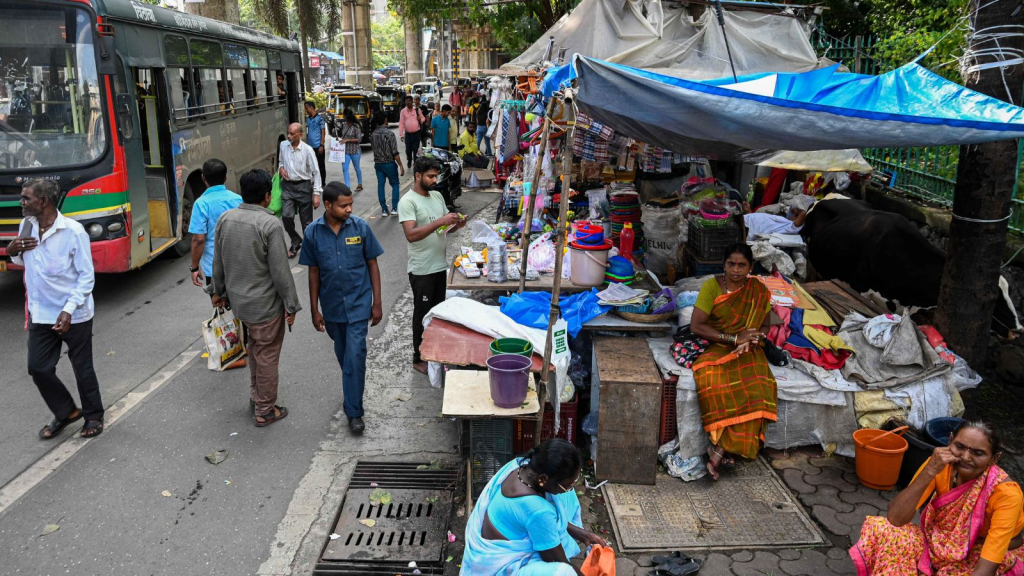
For the residents living along the vibrant yet congested stretches of Mumbai, the battle for walkable space has often felt like an uphill climb against a relentless tide. Whether it is the New Link Road or the bustling lanes of Bandra and Borivali, a common frustration unites us: the “Whac-A-Mole” cycle of illegal encroachment.
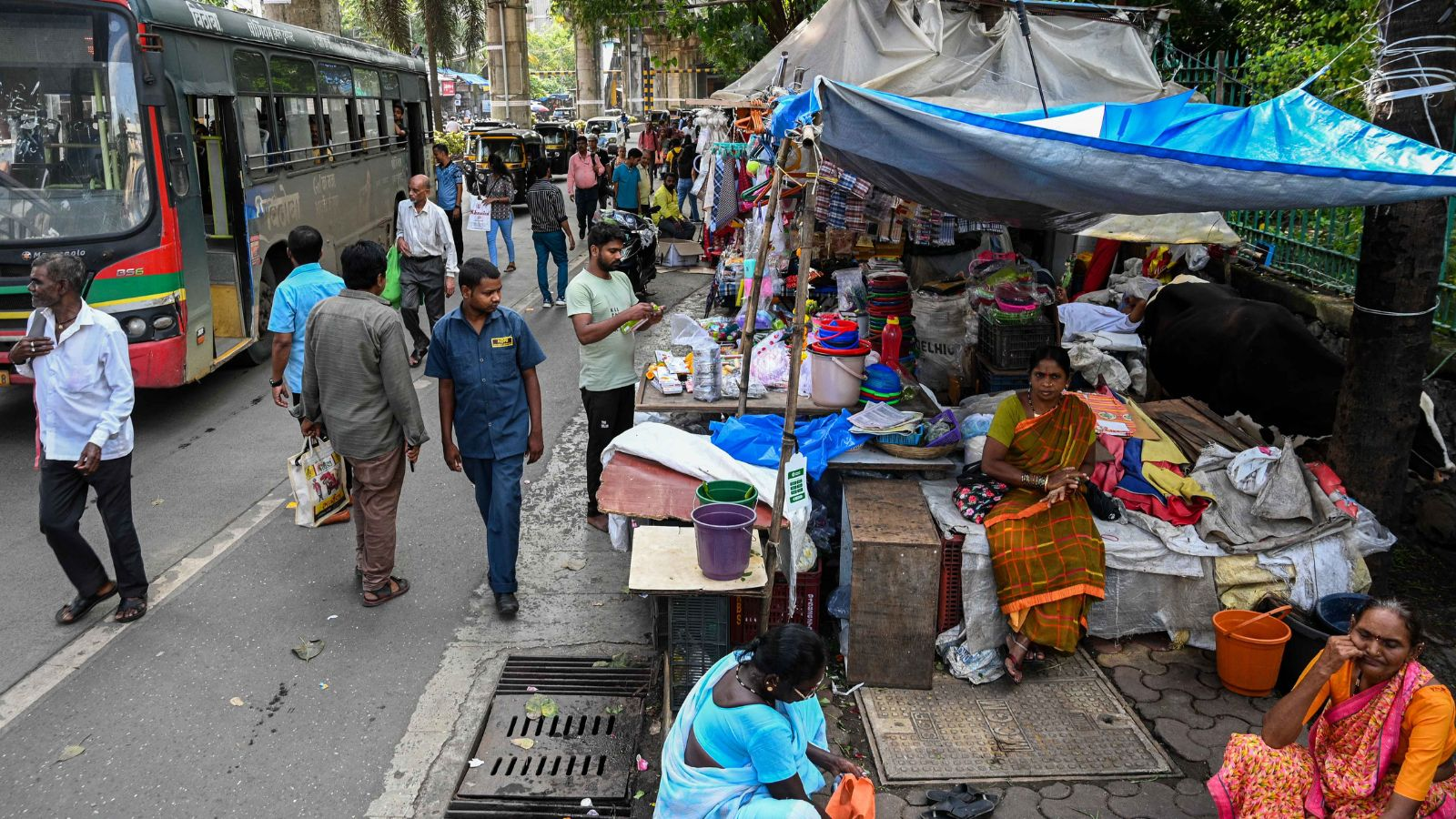
We’ve all seen it. A public footpath is cleared by the Brihanmumbai Municipal Corporation (BMC) during a high-profile drive, only for the same illegal stalls, parked vehicles, or extended shop fronts to reappear within 48 hours. For years, the core issue wasn’t just a lack of political will—it was a lack of a real financial deterrent. When the fine for occupying public land is a flat, nominal fee, it simply becomes a “cost of doing business” for the violator.

The introduction of the Jan Vishwas (Amendment) Bill 2.0 in the Lok Sabha represents a seismic shift in this dynamic. For active citizen groups like the New Link Road Residents Forum and advocates for The Walking Project, this legislation provides the sharpest legal teeth we have seen in decades.
The End of “Low-Cost” Encroachment
The genius of the Jan Vishwas Bill 2.0 lies in its move away from static fines toward value-linked penalties. Under the proposed amendments to the Public Premises (Eviction of Unauthorised Occupants) Act, the law finally acknowledges the astronomical value of Mumbai’s real estate.
1. Penalties Linked to Market Reality
Currently, encroaching on government land might result in a ₹5,000 fine—a pittance in a city where every square inch is gold. The new Bill proposes a penalty of 5% of the land value for every year of occupation.
Think about the implications for New Link Road. If a commercial entity or an illegal structure occupies 100 square feet of public land in a prime residential-commercial zone, 5% of that capital value is no longer a “fee”; it is a massive financial liability. This shift transforms encroachment from a profitable venture into a high-risk gamble.
2. The “Telescopic” Formula for Squatters
The Bill introduces a progressive penalty system for those illegally occupying government premises (such as staff quarters or public buildings).
- Month 1: A penalty of 40 times the license fee (rent).
- Subsequent Months: The penalty increases by 10% every month.
- Repeat Offenders: The starting penalty jumps to 50 times the fee.
This ensures that the longer someone defies an eviction notice, the more ruinous the financial consequences become.
Why This is a Game-Changer for Local Forums
As a community that champions Whole Person Care—the idea that our environment, safety, and health are intrinsically linked—this Bill supports our mission in three practical ways:
A. Clearing the Arteries of the City
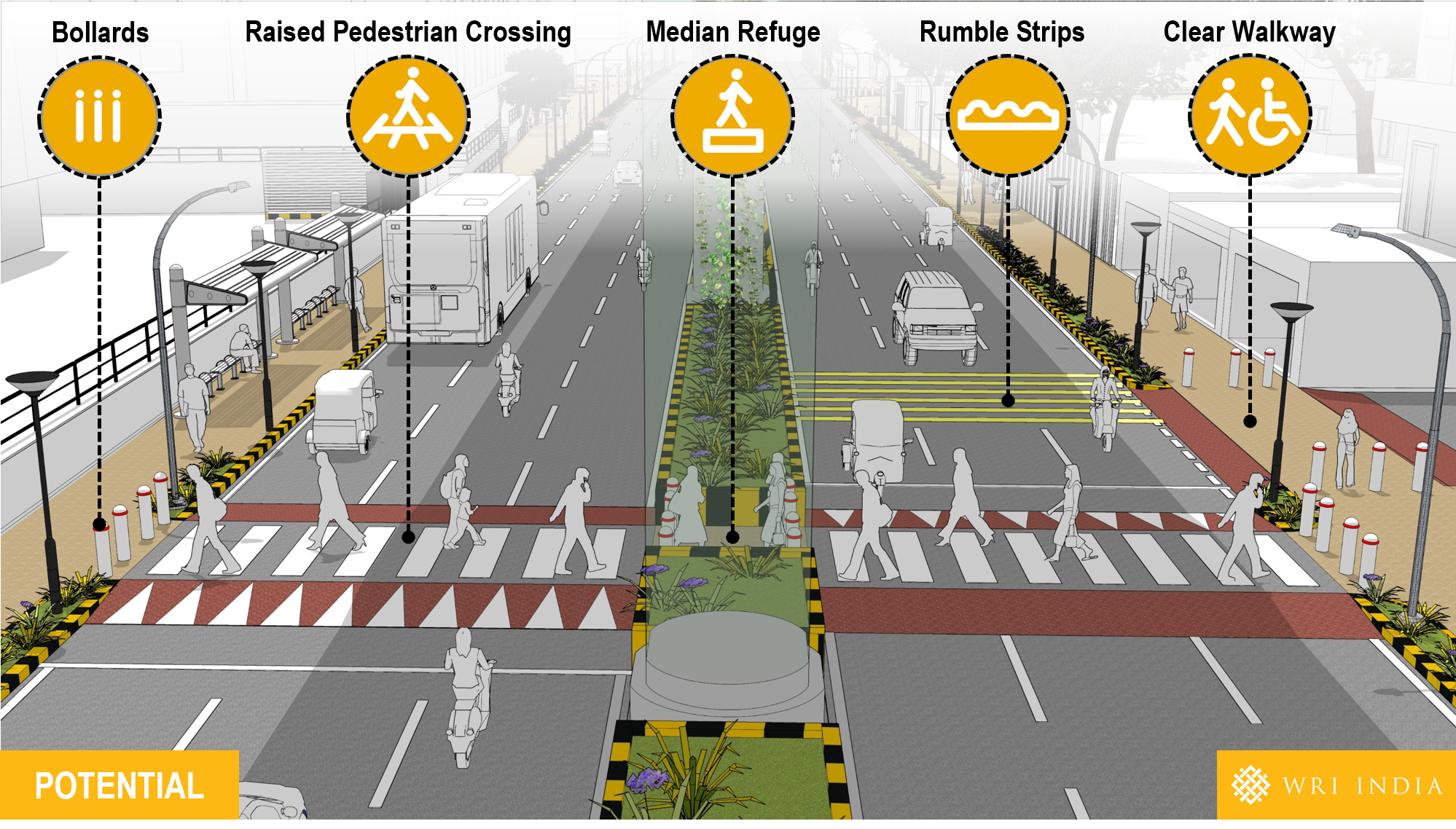
Our footpaths are the “arteries” of the community. When they are blocked, senior citizens, children, and those with disabilities are forced onto the main road, risking their lives. By making encroachment financially unviable, the Jan Vishwas Bill 2.0 acts as a preventive healthcare measure for our streets.
B. Administrative Agility: From “Fine” to “Penalty”
A critical, though subtle, change in the Bill is the replacement of the word “fine” with “penalty.” In legal terms, a fine usually requires a court process, which can take years in India’s overburdened judicial system. A “penalty,” however, can be adjudicated and collected directly by regulatory authorities (like the BMC or MMRDA). This means swifter justice and faster clearing of public spaces.
C. Elevating the Metro Experience
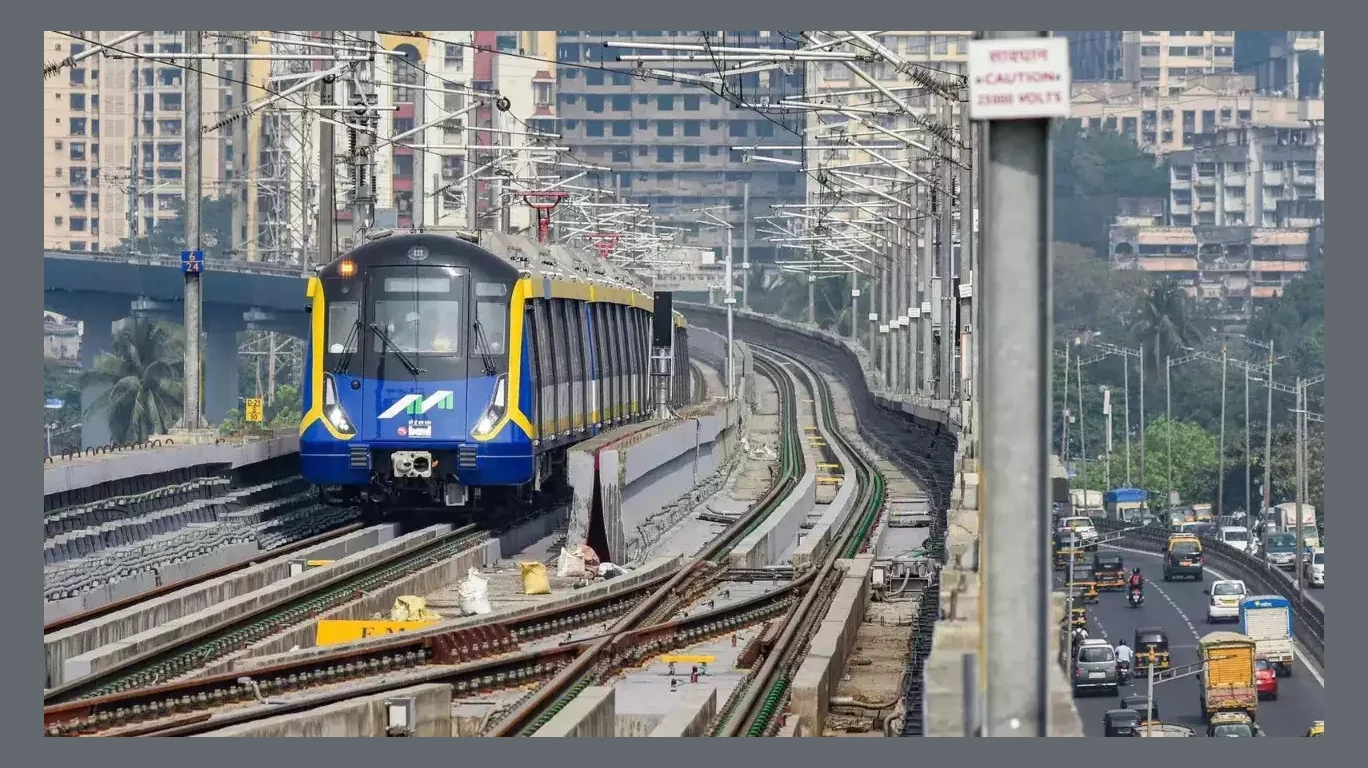
With Metro Lines 2A and 7 now serving our neighborhood, the “nuisance” provisions are timely. The five-fold increase in fines (from ₹500 to ₹2,500) for spitting, sitting on the floor, or obstructing paths ensures that our multi-billion dollar transit infrastructure remains world-class.
Action Points: How Citizens Can Lead the Charge
A law is only as strong as its enforcement. As members of the New Link Road Residents Forum, we must transition from being passive observers to active monitors of these new provisions.
1. The “Valuation Report” Strategy
When filing a complaint via the MCGM PotHoleFixIT app or the MyBMC portal, don’t just report a “blockage.” Use the language of the Jan Vishwas Bill.
- Action: Take a geo-tagged photo. In the description, state: “This encroachment on [Location] violates the Public Premises Act. Given the local Ready Reckoner rates, we request the immediate imposition of the 5% land-value penalty as per the Jan Vishwas Bill 2.0 guidelines.”
2. Demand “Adjudicating Officers”
Since the Bill allows for penalties to be collected by authorities, we should write to the Ward Officer (R-Central or R-North) demanding the appointment of a dedicated Adjudicating Officer for New Link Road. This person should be responsible for the swift financial penalization of repeat offenders without needing to go to court.
3. Leverage the 30-Day Windows
The Bill expands the time for reporting certain vehicle-related cancellations and insurance transfers from 14 to 30 days. This gives citizen forums a larger window to track abandoned “junk” vehicles (khataras) that often take up valuable parking and walking space.
- Action: Organize a monthly “Khatara Audit.” Document every abandoned vehicle on our stretch and submit a consolidated list to the RTO and local Police Station at the end of every month.
4. Metro Vigilance
Maintain a high standard for our local Metro stations. If you see recurring nuisance behavior, don’t just ignore it.
- Action: Use the “Metro Manners” campaign to educate fellow commuters about the new ₹2,500 penalty. Reporting these incidents to the station master ensures the authorities have the data needed to deploy more marshals.
Aim: Reclaiming the Public Trust
The Jan Vishwas Bill is fundamentally about “Jan Vishwas” (Public Trust). It trusts the citizen to follow the law but ensures that those who break it face consequences that match the severity of their impact on society.
For us on New Link Road, this isn’t just about land or money. It’s about the right to walk safely to the pharmacy, the right for our children to walk to school without fear, and the right to live in a city that respects public space.
Let us use these new legal tools to make Mumbai not just a city of skyscrapers, but a city of clear, safe, and dignified streets.
This template is designed to help members of the New Link Road Residents Forum, other citizens of Mumbai, and The Walking Project, to submit formal, high-impact complaints. By using the specific legal terminology of the Jan Vishwas Bill 2.0, you signal to authorities that you are an informed citizen who knows the current law.
Template: Formal Notice of Public Land Encroachment
To: The Ward Officer / Assistant Commissioner, [Insert Ward, e.g., R-Central Ward], Brihanmumbai Municipal Corporation (BMC), Mumbai.
Date: [Insert Date] Subject: Formal Notice of Encroachment on Public Premises at [Insert Location] – Request for Penalty Adjudication under Jan Vishwas Bill 2.0.
Dear Sir/Madam,
I am writing as a concerned citizen and a member of the New Link Road Residents Forum to formally report a significant and ongoing encroachment on public land/footpath at the following location:
- Exact Location: [e.g., Opposite Laxmi Palace, New Link Road, Borivali West]
- Type of Encroachment: [e.g., Illegal commercial shed / Permanent stall / Abandoned vehicle]
- Estimated Duration: [e.g., Since 3 months / Recurring daily]
Legal Context & Requested Action: Under the provisions of the Jan Vishwas (Amendment) Bill 2.0 recently introduced to modernize the Public Premises (Eviction of Unauthorised Occupants) Act, the penalties for such violations have been significantly enhanced to reflect market realities.
Specifically, I draw your attention to the following:
- Value-Linked Penalty: The Bill moots a penalty of 5% of the land value for every year of unauthorized occupation. Given the high market value of land on New Link Road, a nominal fine is no longer the prescribed legal deterrent.
- Shift to “Penalty” vs. “Fine”: As the law now classifies this as a penalty, your office has the regulatory authority to adjudicate and collect this amount directly and expeditiously, without the delays of a court-disposed fine.
- Telescopic Escalation: For unauthorized commercial use, we request the application of the escalating penalty formula (40x to 50x the license fee) to ensure the encroachment does not return.
Evidence Attached:
- [Link to Geo-tagged Photo / Attached Photo]
- [Map marking of the encroached public area]
As taxpayers and pedestrians, we advocate for Whole Person Care in our urban environment, which begins with safe, unobstructed footpaths. We request you to inspect this site within 48 hours and initiate the process for penalty adjudication as per the new Jan Vishwas framework.
Please provide an acknowledgment of this notice and a tracking number for the action taken.
Sincerely,
[Your Name] [Your Contact Information] Member, …………….. Forum / or The Walking Project
How to use this template effectively:
- Be Precise: The more specific the location (using landmarks or shop names nearby), the harder it is for the inspector to claim they “couldn’t find it.”
- The Power of Volume: If five different residents send this same notice for the same spot over two days, it moves to the top of the Ward Officer’s priority list.
- Follow Up: If no action is taken within 7 days, forward the sent email to the Deputy Municipal Commissioner (DMC) of your zone, noting the lack of response to a formal legal notice.






 Newlinkroad's Blog
Leave a comment