TOO CLOSED FOR COMFORT
City neighbourhoods barely have open spaces for relaxation and enjoyment of the outdoors. The result has taken a toll on our quality of life
Nauzer K Bharucha | Times News Network 10th March 2012
Demolish this structure and set an example for all times that ‘enough is enough’. We are getting sick of this perpetual crookedness of the authorities and the supporters of these wretched officials. Confiscate their properties and build this children’s park. It is absolutely sickening the way this city is being destroyed by greedy and corrupt officials.”
This reader’s outburst, following a TOI report on how a playground was usurped by a builder, underlines the Mumbaikar’s anguish at the city’s lack of open spaces. While Mumbai has a high wealth index, its citizenry suffers a diminishing quality of life.
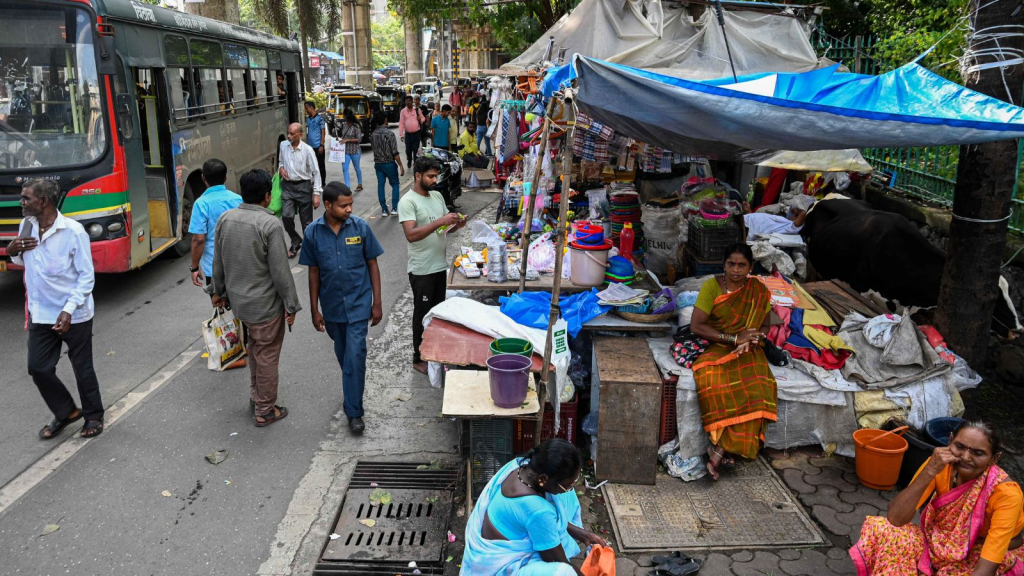
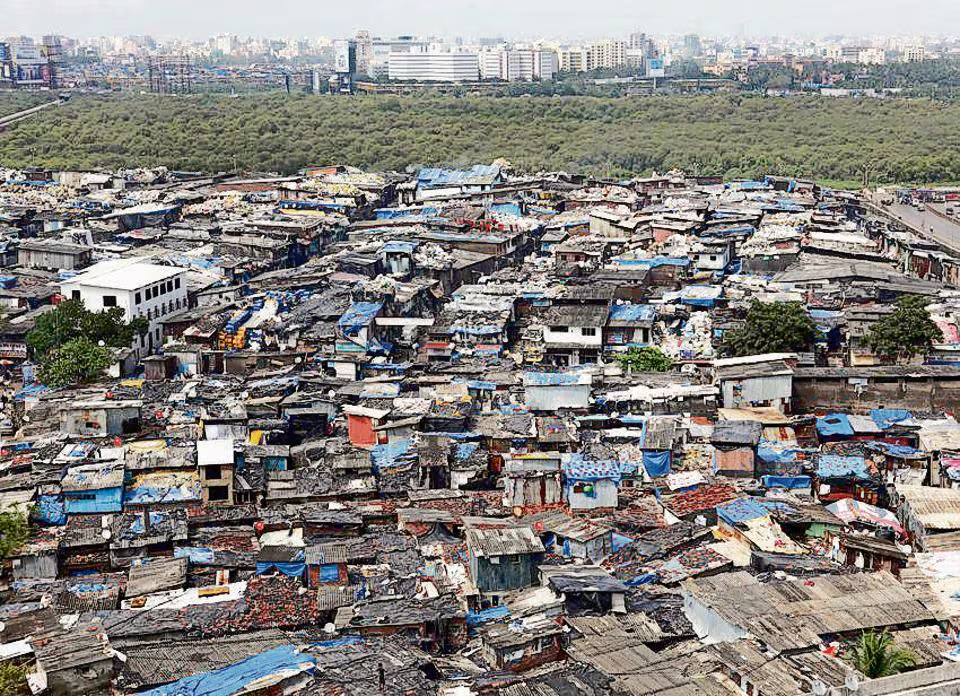
Poor planning, haphazard construction and unabated encroachment of public spaces have resulted in living conditions deteriorating for the city’s 12.4 million residents in terms of light, air and a healthy environment. BMC statistics show that in the island city, on an average, over 45,000 people are cramped into every sq km. Singapore (population 5 million) has a ratio of 7,300 people per sq km.
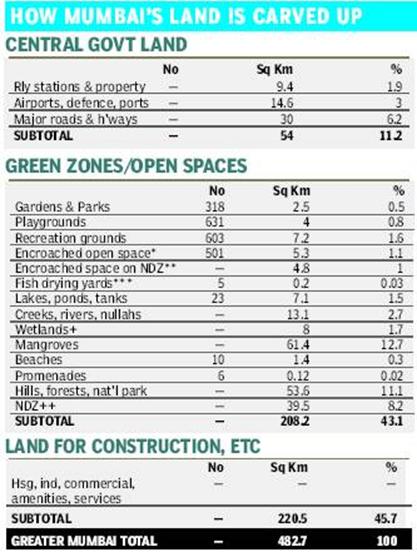
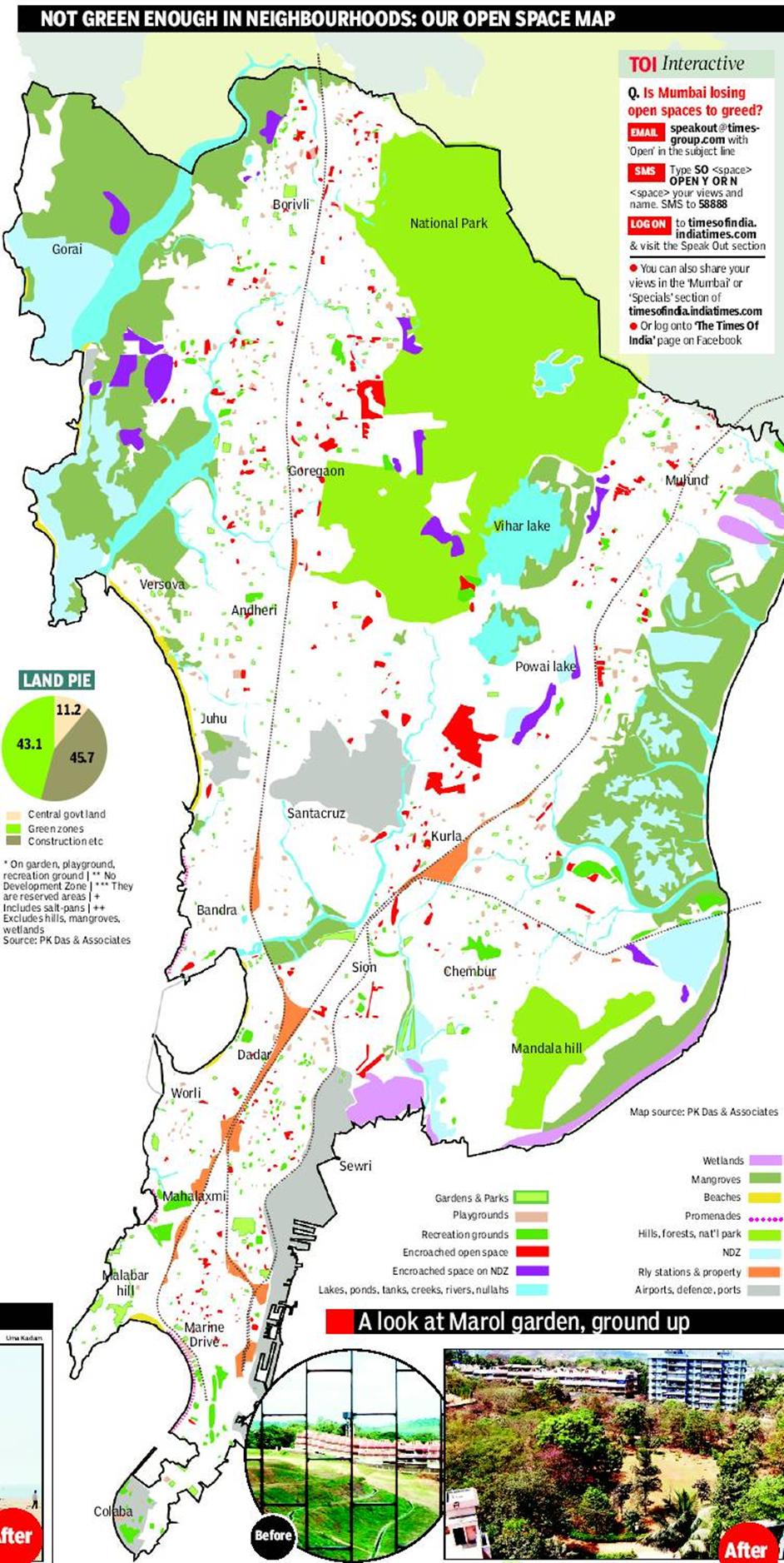
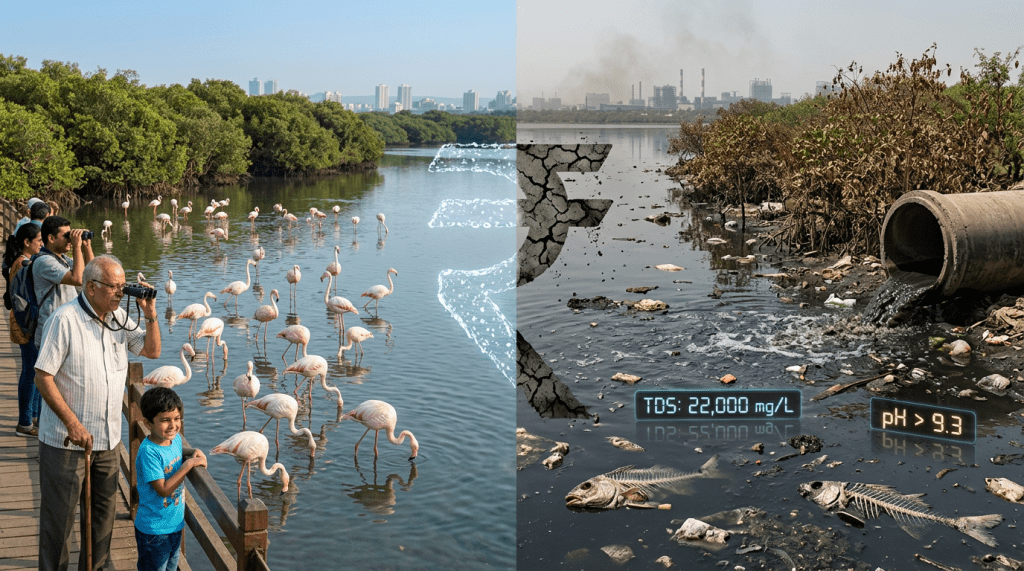
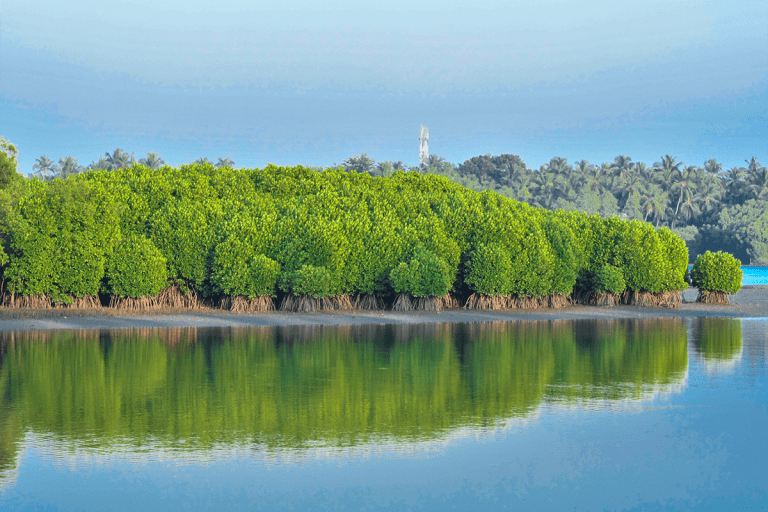
More frightful is data like: there are just seven public swimming pools to cater to Mumbai’s huge population. It gets even more depressing. The widely quoted figure of 0.03 acre of open space for every 1,000 people is at least 40 years old. When it was computed, the city’s population was just under nine million. Since then, even as the population has increased, large swathes of land reserved for public amenities have been either encroached on by slums or de-reserved for construction purposes. Mumbai’s mangroves, playgrounds, parks, waterfronts and even protected forest lands are being steadily chewed up by slums, swanky housing societies and commercial complexes.
City-based gynaecologist Nozer Sheriar frequently advises expectant mothers to walk. “But where will they walk? On roads and broken pavements? It’s ridiculous to even suggest this anymore,” he said.
Reproductive health problems, especially increasing male infertility, he added, are linked to environmental pollution and the loss of green spaces. “It’s anecdotal, but these factors play a part in such disorders,” he said. Expressing concern that many sporting activities are possible only if one is a member of an elite club, Sheriar asked, “Which city in the world charges money to walk into a park?”
Architect Gananath Shetty had warned about Mumbai’s peril four decades ago. Among the host of problems he spelled out in 1970 was the lack of children’s playing areas. “It is a universally acknowledged scientific fact that play in the early years of life is one of the most important phases of development, leading to the blossoming of a child’s faculties. In spite of the better standard of living today, there is a gulf of emotional poverty, loneliness, mental illness, delinquency and drug usage amongst the younger generation,” he said. The architect further added that these conditions and habits spring mainly from living in congested environments where “immense building activity is carried on without love or understanding in the most squalid of surroundings”. “These denigrating conditions have destroyed the basic elements of a child’s play,” said Shetty.
Housing activist P K Das, who was the architect for the redevelopment of seafronts at Bandra and Juhu, said, “We consider our city to be a ground for
maximizing construction potential and deriving profits. Open spaces are neglected because they do not provide a financial turnover. Not surprisingly, the quality of life has miserably deteriorated for both the rich and poor.” He added that Mumbai needs a comprehensive plan for open spaces.
Five years ago, a survey conducted by the Urban Design Research Institute showed 45% of the city’s open spaces were lost. Of the 3,103 reserved plots that were surveyed, 1,397 were completely or partially covered or encroached upon.
The fight to reclaim the city’s parks and playgrounds is being fought by a slew of spirited citizens’ groups, activists and NGOs. In the last decade, an audacious move to exploit the 226-acre Mahalaxmi Race Course was halted after citizens approached the Bombay high court and got a stay. The plan to build a seven-star hotel, convention centre and golf course was backed by the son-in-law of a senior state politician.
Last year, the NGO Save Open Spaces stalled a builder’s attempt to use a six-acre plot in Juhu for a slum redevelopment project by realigning the Irla nullah and shifting road and garden reservations. Vidya Vaidya, secretary of the General Arunkumar Vaidya Nagar Rahiwasi Sangh, which represents about 5,000 Bandra Reclamation residents, said, “We are forced to rush to the courts every time.” The sangh is fighting to save an eight acre plot, which is being eyed by a local politician.
As Mumbai struggles with its shrinking spaces, other cities march ahead. Singapore, a little over one-and-a-half times Mumbai’s size, will throw open a 250-acre botanical garden in June. New York has a great variety of open spaces, from the sprawling Central and Prospect parks, to small neighbourhood lots that are local gathering places.
Said New York-based urban critic and international lecturer Roberta Brandes Gratz, “I think these small ones are the most valuable because they really connect residents to each other…. The best-looking and most functional public spaces are the ones local people create and design themselves.”



 Newlinkroad's Blog
Leave a reply to Drspmathew's Blog | Schools, Obesity, Activism and Education Cancel reply