Don’t blame God. It’s the ecology.
ZoomBookmarkSharePrintListenTranslate
NATURAL DISASTERS CANNOT BE ELIMINATED, BUT THEIR FREQUENCY AND INTENSITY CAN BE DIMINISHED. WHEN THE SUPER CYCLONE STRUCK ORISSA THOUSANDS DIED, BUT DEATH TOLL AND PROPERTY DESTRUCTION WAS MEASURABLY REDUCED
India’s pre-disposition towards fatalism is the fig leaf behind which citizens are routinely exposed to unnaturally high risks at the hands of nature wronged. Blaming God, or nature, allows India’s ir responsible decision-makers and development-hawks neatly off the hook.
The heart-breaking Malin mudslide in Maharashtra has brought home this reality even before the Uttarakhand disaster could fade from memory. More than130 bodies have been recovered from the de-forested Malin, located north of the Dimble dam in the Western Ghats’ Sahyadri range. The body count may rise. Appropriately, rescue and relief work has been our focus, but this time policy makers and developers must not escape punishment. They have remained blameless for far too long.

Figure 1 Floods lead to loss of lives
It rained “more than expected” in Malin. So also had influenced roads and buildings to be constructed in all the wrong places.
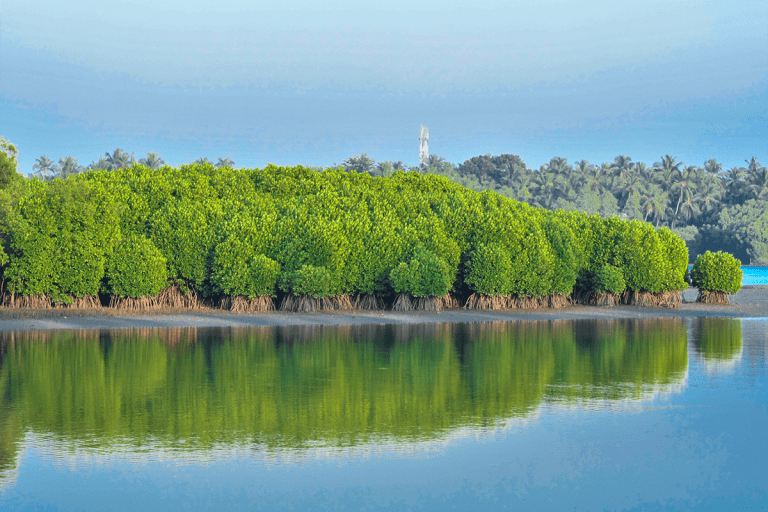
Natural disasters cannot be eliminated, but their frequency and intensity can be diminished. When the Super Cyclone struck Orissa in 1999 thousands died, but the death toll and property destruction behind healthy mangrove forests was measurably reduced.
Healthy ecosystems can protect lives and property. India should be working to regenerate forests, restore wetlands, and allow the natural eco-dynamics of reservoir catchments to help prevent future floods, stabilise slopes, and enhance lean-season water flows.
This is the most effect ive, economical, disaster-mitigation strategy we could ask for. It would also knit the nation together in a joint purpose, enhance our water and food security, and meet social and economic objectives by employing millions in the task of rebuilding our dwindling natural assets.
Think. What possible harm could come to India from nurturing coasts, wetlands, forests and slopes back to health? Conversely, what justifiable i n Rudrapraya g, Chamoli, Uttarkashi and Pithoragarh on June 16-17, last year when illegal constructions and illadvised roads turned the holy Alaknanda and Mandakini into killing rivers; and, in Bihar on August 18, 2008, when the Kosi river devastated millions of lives.
How come repeated extreme climatic events continue to be “unexpected”? It’s because apathy, ignorance and avarice combine to blind India’s leaders to the reality of climate change. They neither acknowledge the impact of their flawed energy, agriculture and infrastructure policies, nor the death and destruction that follows in the wake of their industrial and agricultural misadventures, both now claiming an equal share of India’s ecological, green-armour.
Expectedly, officialdom has lear ned to seamlessly shift into “It’s not our fault” mode within hours of such a disaster. In Malin, they denied ordering heavy machinery to be used for deforesting and levelling land for agricultural fields on steep slopes.
In Uttarakhand, they denied that the lure of tourism money developmental benefits can flow if industry and agriculture proceed with business-as-usual and sully our water sources, soils and air more?
As the Narendra Modi government struggles to take charge of our collective fortunes, it will discover that nature offers no advice and no judgements; only consequences.
Whether in the Wester n Ghats, or the Himalayas, the message etched on fragile slopes is lucid. It says: “It’s the Ecology, Stupid.”
This is taken from the 7 Aug 2014 edition of Hindustan Times (Lucknow)



 Newlinkroad's Blog
Leave a comment