Why Mumbai’s Crackdown on Pigeon Feeding is a Public Health Imperative
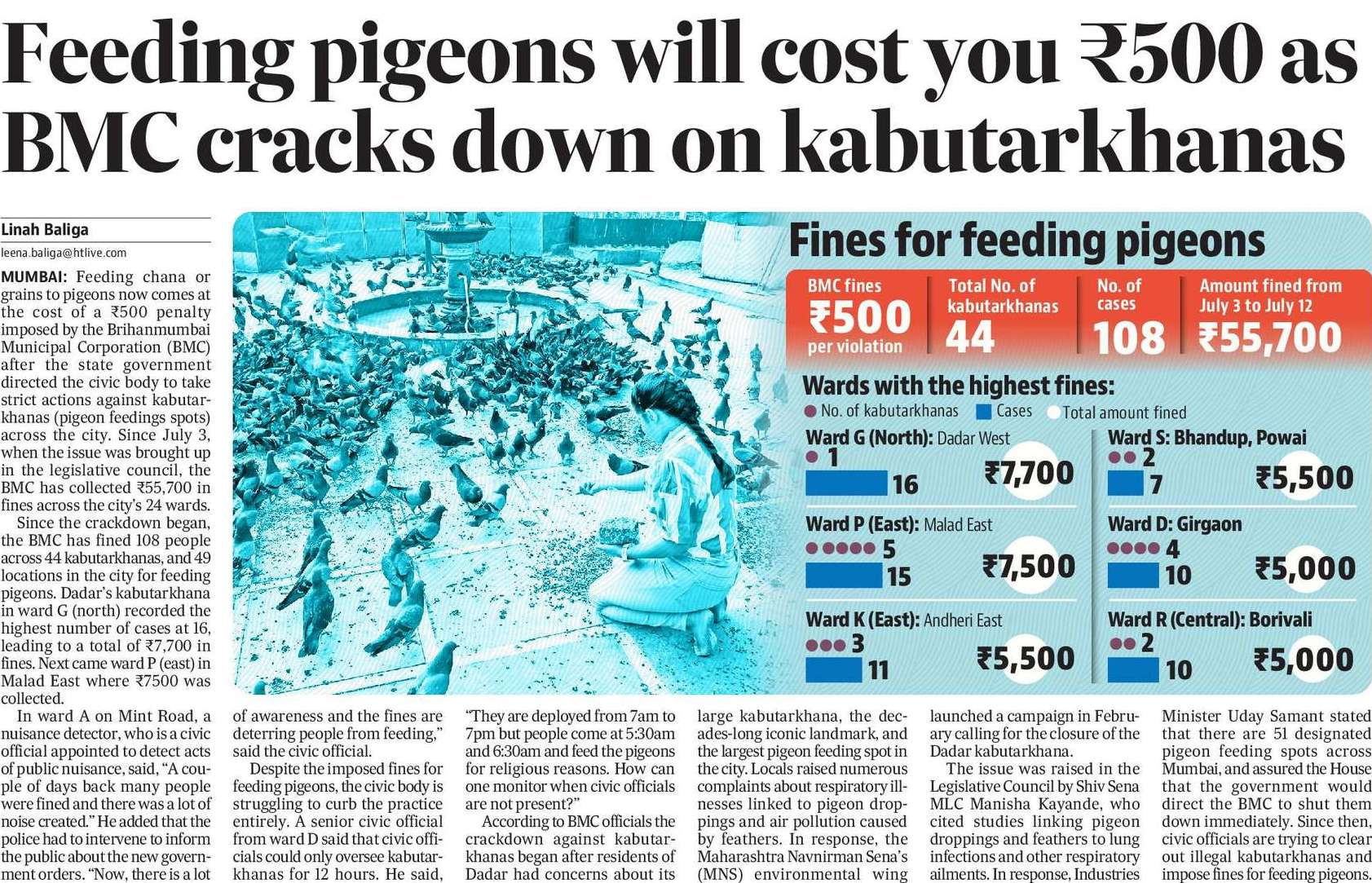
Recent headlines [15th July 2025] highlight the Brihanmumbai Municipal Corporation’s (BMC) decision to impose a ₹500 fine on individuals who feed chana or grains to pigeons at kabutarkhanas across Mumbai.

At first glance, this action may seem harsh or excessive, especially given long-standing religious and cultural traditions. But as a lung doctor who witnesses the real health impact of air pollution every day, I believe this measure is a necessary step towards protecting our community’s respiratory health.
The Science: Pigeon Droppings and Airborne Illness
Pigeons are more than city icons; their droppings and feathers are potent triggers for diseases such as hypersensitivity pneumonitis (popularly known as ‘pigeon breeder’s lung’) and can exacerbate asthma and chronic respiratory conditions.
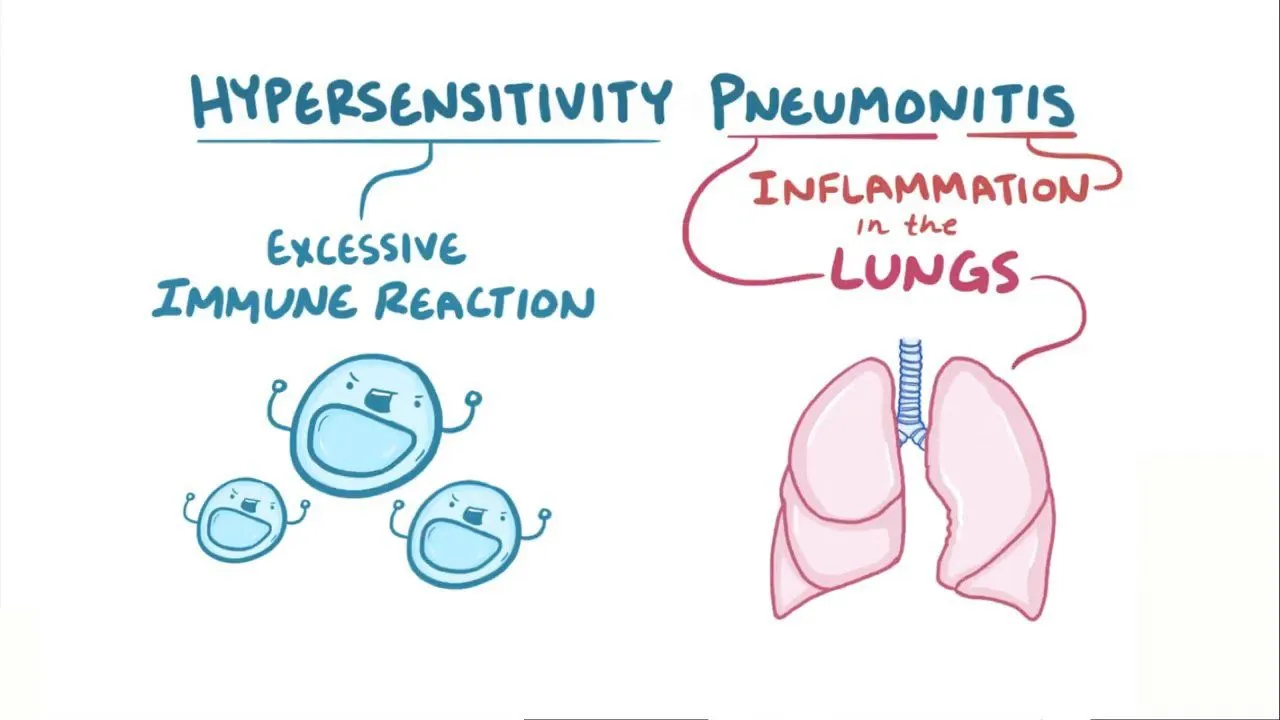
Repeated exposure to the fine, dried particles from their droppings leads to inflammation and scarring in sensitive lung tissue. Multiple studies and global health authorities recognize bird waste as a serious environmental and occupational hazard.
How Pigeon Droppings Contribute to Lung Infections and Air Quality Issues
1. Airborne Fungi and Bacteria
- Fungal Infections: Dried pigeon droppings are a reservoir for harmful fungi, notably Histoplasma capsulatum and Cryptococcus neoformans. When droppings dry out, they can turn into fine dust. Inhalation of this dust exposes people to fungal spores, which can cause serious lung infections such as histoplasmosis and cryptococcosis. These infections may present with flu-like symptoms, cough, chest pain, and in severe cases, can lead to pneumonia or even meningitis, especially in immunocompromised individuals.
- Bacterial Hazards: Pigeon droppings can also harbor bacteria like Salmonella and E. coli. These bacteria can contaminate surfaces and, when disturbed, become airborne or transferred to humans, leading to respiratory or gastrointestinal infections.
2. Hypersensitivity Pneumonitis (Bird Fancier’s Lung)
- Allergic Lung Disease: Repeated inhalation of proteins from pigeon droppings and feathers can trigger an immune-mediated lung condition called hypersensitivity pneumonitis (also known as “pigeon breeder’s lung” or “bird fancier’s lung”). This condition causes lung inflammation, scarring (fibrosis), and chronic respiratory symptoms such as persistent cough, breathlessness, and fatigue. Over time, it can lead to irreversible lung damage and respiratory failure if exposure continues.
3. Aggravation of Pre-existing Respiratory Conditions
- Asthma and Allergies: The fine dust from droppings and feathers can act as potent allergens, worsening symptoms in people with asthma or other respiratory allergies. Even short-term exposure may cause wheezing, chest tightness, and increased respiratory distress in sensitive individuals.
4. Air Quality Degradation
- Particulate Matter: Accumulated pigeon droppings,
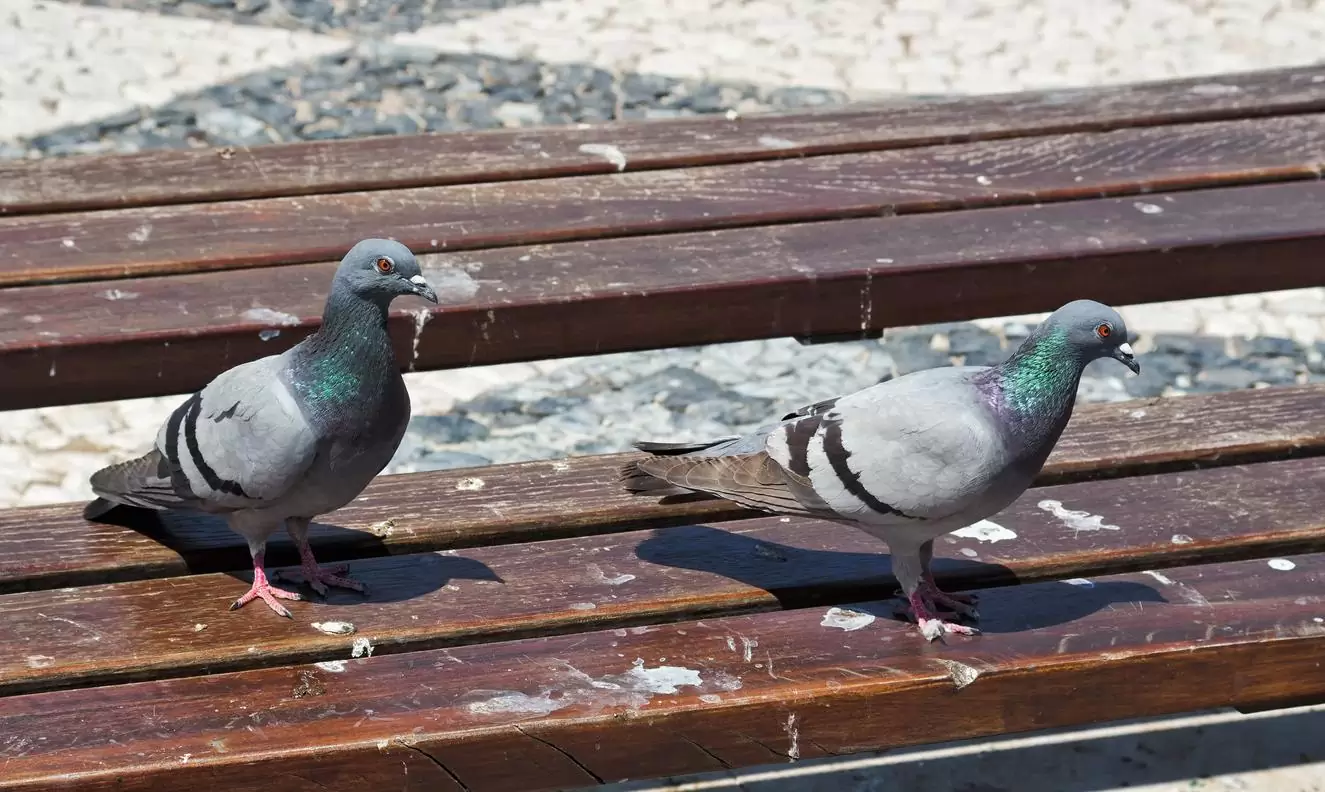
- when disturbed (during cleaning or by wind), release particulate matter and organic dust into the air. This not only carries infectious agents but also increases the overall particulate load in the environment, contributing to poor air quality.
- Odor and Volatile Compounds: Decomposing droppings emit unpleasant odors and volatile organic compounds (VOCs) such as ammonia and hydrogen sulfide, which can irritate the respiratory tract and degrade the quality of life in affected areas.
Mumbai’s residents have raised legitimate concerns after observing a spike in respiratory illnesses near large feeding spots like Dadar’s kabutarkhana. Civic health data and patient experiences confirm a direct link between these areas and increased cases of coughing, breathlessness, and even severe lung infections—especially among the elderly, children, and immunocompromised[1].
Pigeon Feeding vs. Mumbai’s Air Quality Challenges
While pigeon feeding is only part of the city’s air quality puzzle, it coincides with a broader—and more alarming—trend. Mumbai, despite recent improvements in its overall Air Quality Index (AQI), remains one of the country’s most polluted coastal metros, consistently exceeding both national and international safety standards for PM2.5 and PM10 particulates[1][2]. These ultra-fine particles are not only carcinogenic but can penetrate deep into the bloodstream, leading to long-term health consequences like heart disease, stroke, and impaired lung development in children.
Recent policy actions have begun to pay dividends: the city has improved the frequency of ‘good’ air days by almost 40% between 2020 and 2025 through targeted enforcement at construction sites and stricter monitoring[3][4]. However, the persistence of ‘poor’ and ‘very poor’ air quality days, particularly in hotspots like Deonar and Sion, shows just how fragile this progress remains[1][2].
Enforcement and Community Partnership
The effectiveness of policies like the pigeon feeding fines depends not only on enforcement but also on civic participation. The BMC’s efforts—deploying nuisance detectors and seeking police support—demonstrate a commitment to public health education, but real change comes when citizens understand the science and rationale behind these orders.

It is crucial that this initiative is not perceived as an attack on tradition, but rather a collective investment in Mumbai’s health. We need to build awareness about the very real, insidious ways air pollution—and seemingly innocuous habits like pigeon feeding—can compromise our well-being.
. Prevention and Mitigation
- Avoid feeding pigeons and discourage their congregation in residential and public spaces.
- Use protective equipment (masks, gloves) when cleaning areas contaminated with droppings.
- Ensure proper ventilation and regular cleaning of air ducts and vents in buildings.
- Seek medical attention if experiencing persistent respiratory symptoms after exposure.
Pigeon droppings are not just a nuisance—they are a significant public health concern due to their role in spreading infectious diseases and degrading air quality. Awareness and preventive measures are essential to protect community health, especially in densely populated urban environments like Mumbai.
Next Steps Towards Cleaner Skies
Mumbai is at a crossroads. As we continue to mandate air quality sensors at construction sites and invest in green infrastructure, every incremental policy—no matter how small—brings us closer to healthier air. Residents can play their part by:
- Respecting the bans on feeding pigeons in public spaces.
- Supporting BMC’s air quality monitoring and reporting initiatives.
- Advocating for more green spaces and reduced vehicular and industrial emissions.
The health of our city quite literally depends on the air we share. Let’s act together, informed by science and guided by the fundamental principle of primum non nocere—first, do no harm[1][3][2].
- https://timesofindia.indiatimes.com/city/mumbai/air-quality-in-mumbais-deonar-and-sion-worse-than-coastal-cities-of-chennai-and-kolkata-in-jan-june-2025-finds-national-study-on-air-pollution/articleshow/122409773.cms
- https://www.hindustantimes.com/cities/mumbai-news/citys-air-quality-breached-pm-10-limit-on-49-days-since-february-report-101749670257832.html
- https://indianexpress.com/article/cities/mumbai/mumbai-aqi-improvement-9812342/
- https://www.indiatoday.in/information/story/bmc-mandates-air-quality-monitors-at-mumbai-construction-sites-key-details-2727598-2025-05-20
31st July 2025 update:
NC offences registered against 2 pigeon feeders in Dadar, HC told
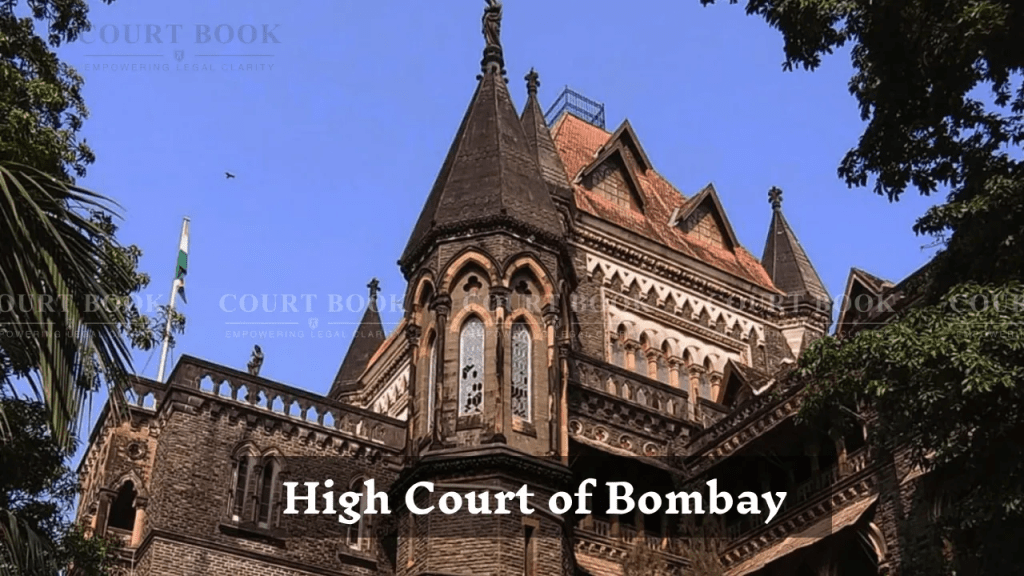
Mumbai : A division bench of Bombay high court on Wednesday heard a plea by some feeders who challenged the demolition of kabutarkhanas in the city, and sought directions to enable them to feed pigeons twice a day. It directed police to register FIRs against citizens who continue to feed pigeons at kabutarkhanas or obstruct civic staff from taking steps to cover the premises.
The HC, while directing offences be registered in case of the Dadar feeders, also permitted BMC officers to lodge criminal prosecutions “against any person/s who continues to feed pigeons in defiance of the (civic) directives” as such acts “constitute a public nuisance and likely to spread diseases and endanger human life”.
The bench of Justices Girish Kulkarni and Arif Doctor, on its own took up the matter, citing a news item along with a photograph of a resident outside Dadar kabutarkhana that raised issues of the health hazards caused by the congregation of pigeons. In an earlier hearing, a KEM Hospital doctor had filed an affidavit in HC citing medical literature that “suggests exposure to pigeon droppings incite hypersensitivity pneumonitis and can trigger asthma”, but stated that the extent of the health hazard posed by a congregation of pigeons would require a “multidisciplinary approach”.
After hearing petitioner Pallavi Patil and other feeders’ counsel Harish Pandya, HC recorded that they were not feeding pigeons or flouting its interim order. Pandya vociferously argued that Dadar Kabutarkhana has heritage value and ought to be protected.
HC, on hearing BMC advocate Rupali Adhate’s submissions against alleged obstruction by residents and feeding activists, called additional public prosecutor Mankuwar Deshmukh to court to assist it and directed her to ensure police register FIRs, after being informed the non-cognizable offences were registered against two feeders in Dadar.
The judges said, “We are, in fact, surprised as to why despite our clear orders, the municipal corporation did not point out the correct position until the newspapers were required to make such reports which appear to be indisputed, and that too when the interest of the health of the citizens is at stake.’’ The high court reiterated that the issue under scrutiny was “one of public health and the grave and potential health hazard to the public at large…from children to the elderly.’’





 Newlinkroad's Blog
Leave a comment